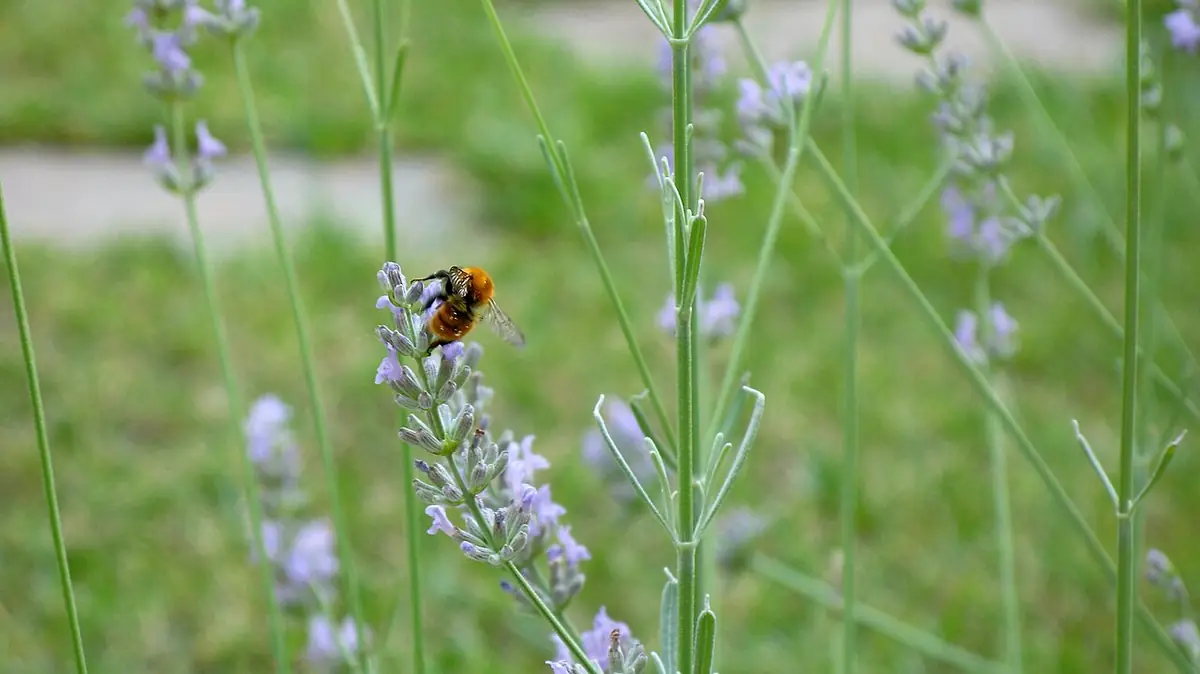
Growing Lavender Where Drainage Comes First
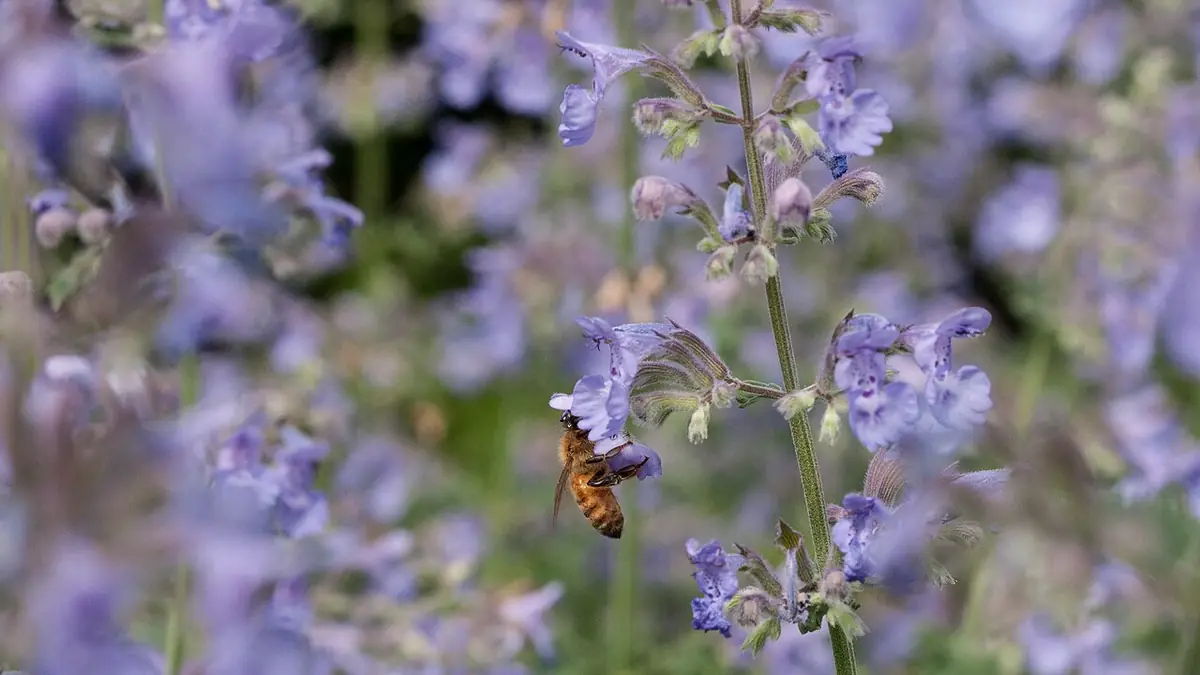
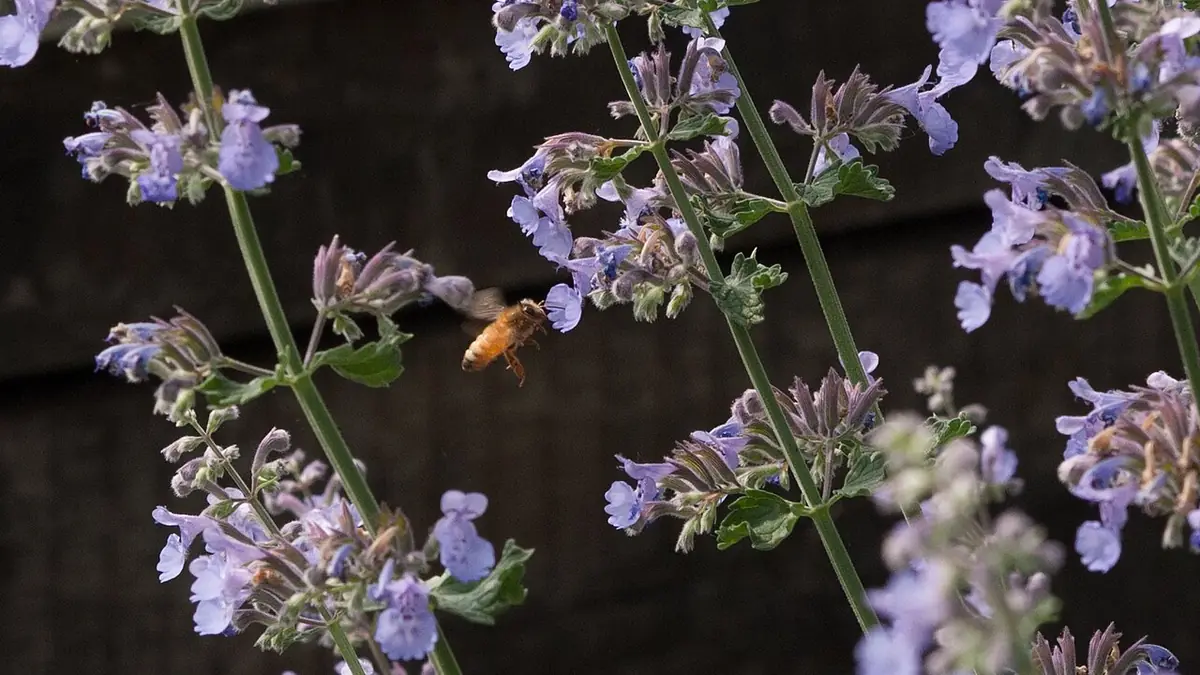
Choose a lavender type suited to local winters and summer humidity. Use a container with a clear drainage outlet where garden soil stays wet.
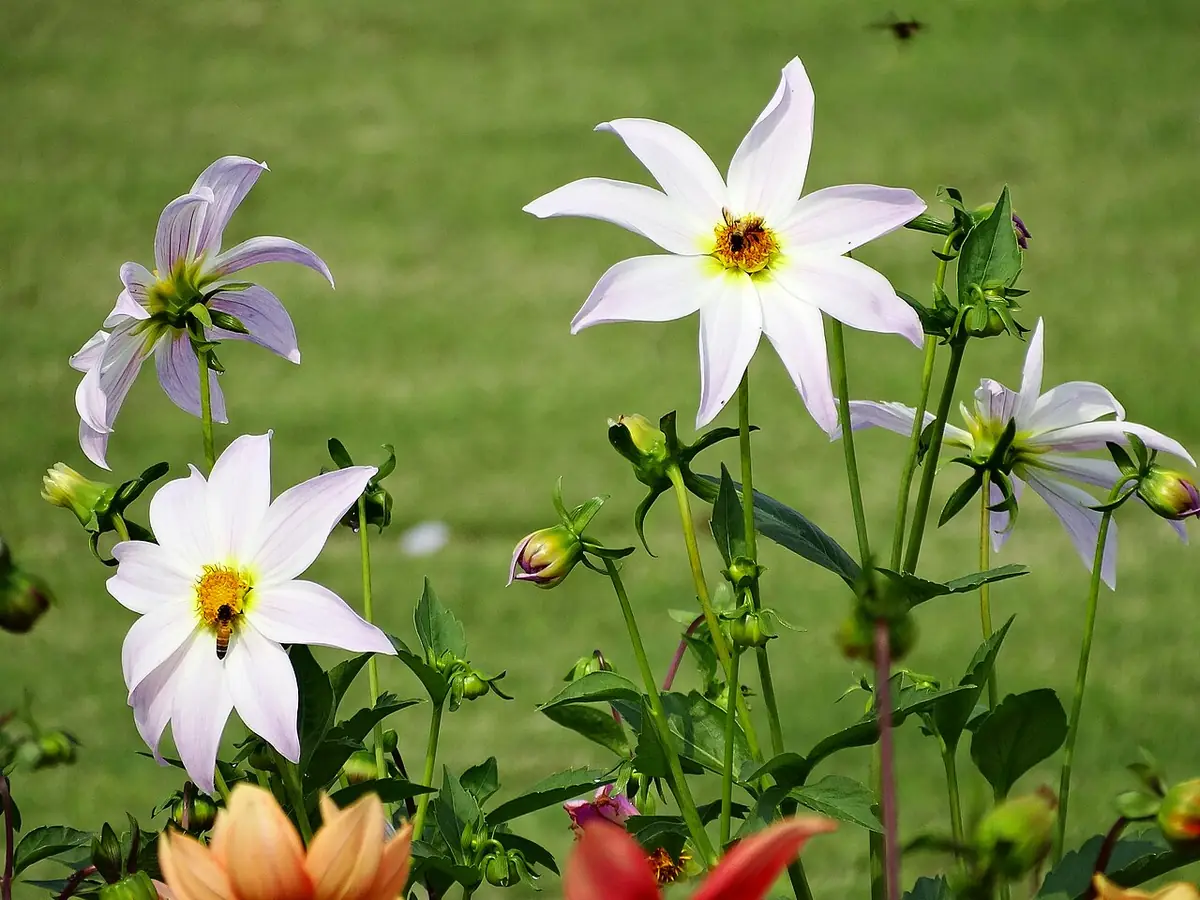
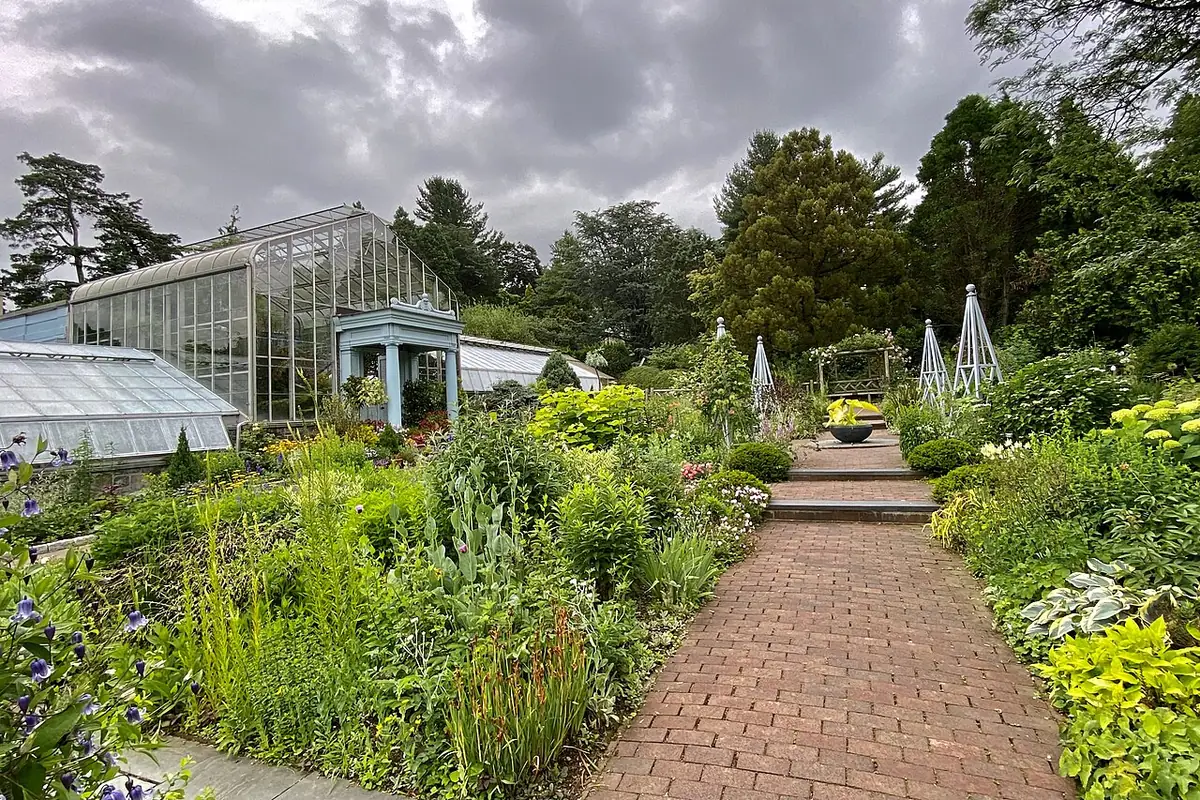
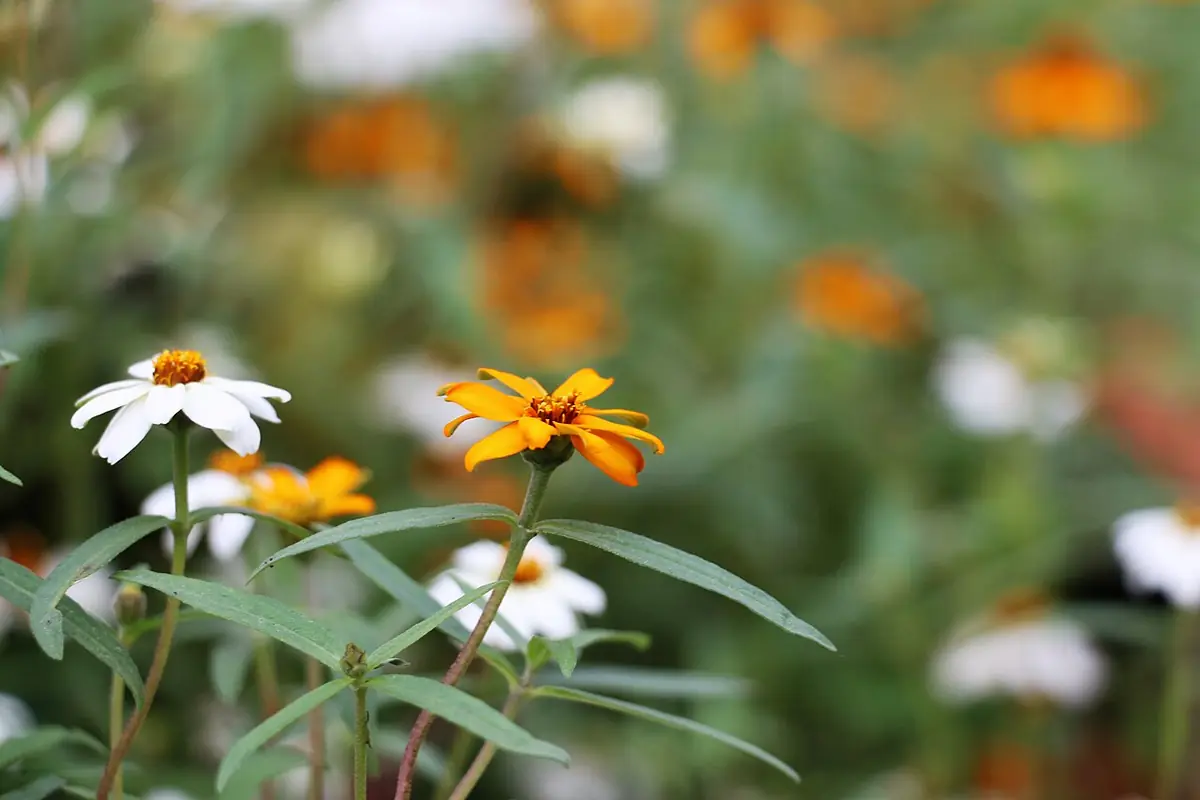
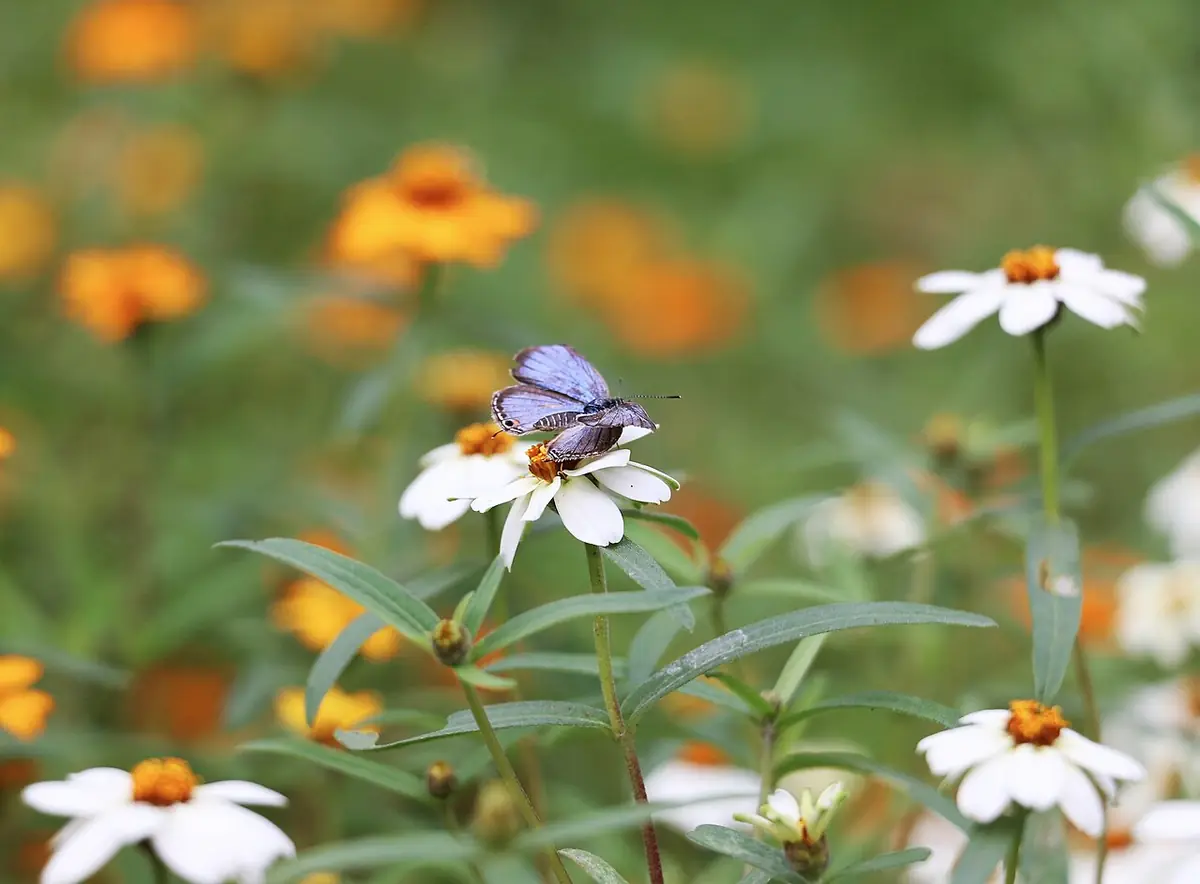
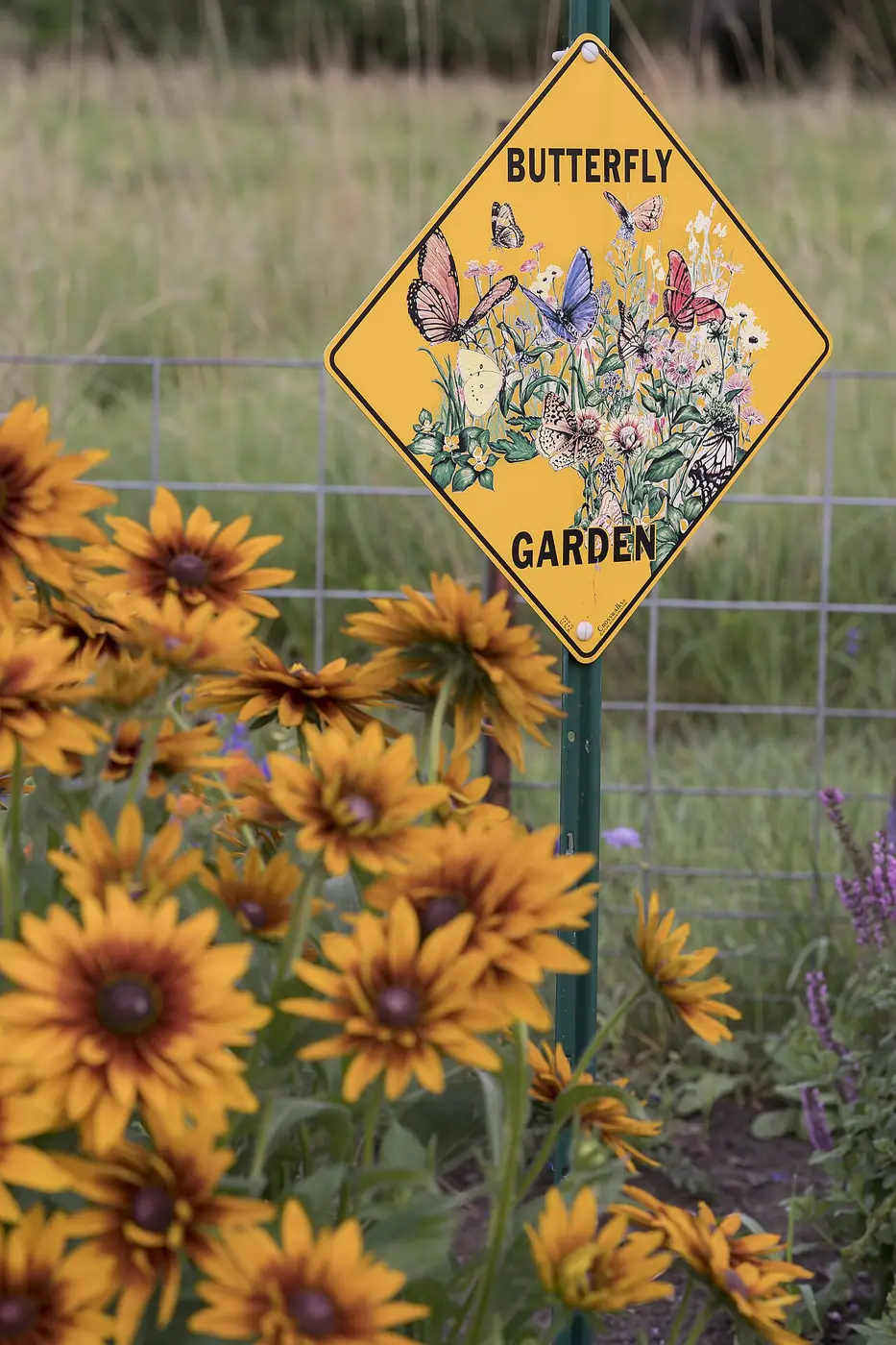
Create a welcoming patch of color with flowers suited to your space and local pollinators.
Choose a lavender type suited to local winters and summer humidity. Use a container with a clear drainage outlet where garden soil stays wet.
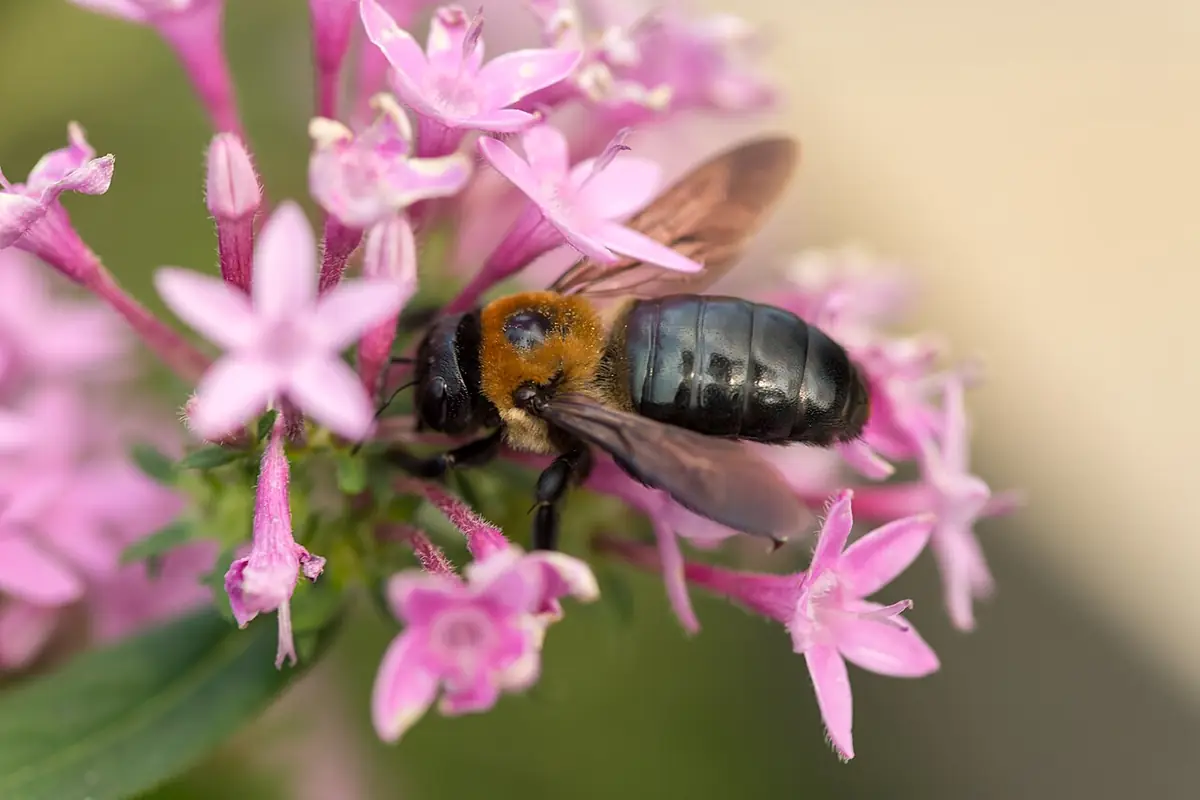
Confirm the exact verbena because low annual forms and tall perennial forms differ greatly. Plant according to the mature outline rather than the nursery pot.
Choose a species or cultivar for your local climate. Avoid burying the crown, and leave a gap between the stem base and mulch.
Plant healthy corms or young plants at the recommended depth. Match the species to the soil rather than assuming every blazing star prefers identical conditions.
Select a type suited to local summers and plant without burying its crown. Allow the airy stems to rise above lower neighboring foliage.
Place the crown at soil level and avoid covering the growing point. Afternoon shade can help many varieties in a hot exposed garden.
Choose a suitable Pulmonaria and allow space for the mature leafy clump. Plant at its previous depth away from the driest tree roots.
Check local suitability and planting behavior before choosing a variety. Set a young plant where spreading roots will not immediately crowd delicate neighbors.
Select a true hardy Geranium with the light and moisture preferences that fit your site. Leave enough room for its eventual ground covering spread.
Choose a garden pink or other Dianthus suited to local conditions. Set it at its original depth and keep adjacent mulch clear of the leafy base.
Choose dwarf or tall varieties to suit the space and plant sturdy young plants at their recommended spacing.
Plant during the season recommended locally and choose pots with open drainage holes. Space plants for their developed width, not an instant packed display.
Confirm whether the chosen pincushion flower is annual or perennial in your climate. Plant at its original depth and avoid crowding it with broad foliage.
Choose an Armeria suitable for your region and place the crown level with surrounding soil. Keep vigorous ground covers from growing over the compact cushion.
Choose Phlox subulata or another appropriate creeping type and check local requirements. Space young plants so each can root into the slope securely.
Check the species, local suitability and spreading habit before planting. Low edging bells and tall border bells need different amounts of space.
Sow cornflower seed in the locally suitable season and thin seedlings to the packet spacing. Avoid burying seed beneath an excessively thick layer of compost.
Choose the desired height and sow or transplant after frost according to the seed instructions. Harden indoor seedlings gradually before setting them outside.