Growing Zinnias for a Long Flowering Season
Sow after frost into soil that has warmed, placing seeds at the depth on the packet. Thin seedlings before their leaves overlap.
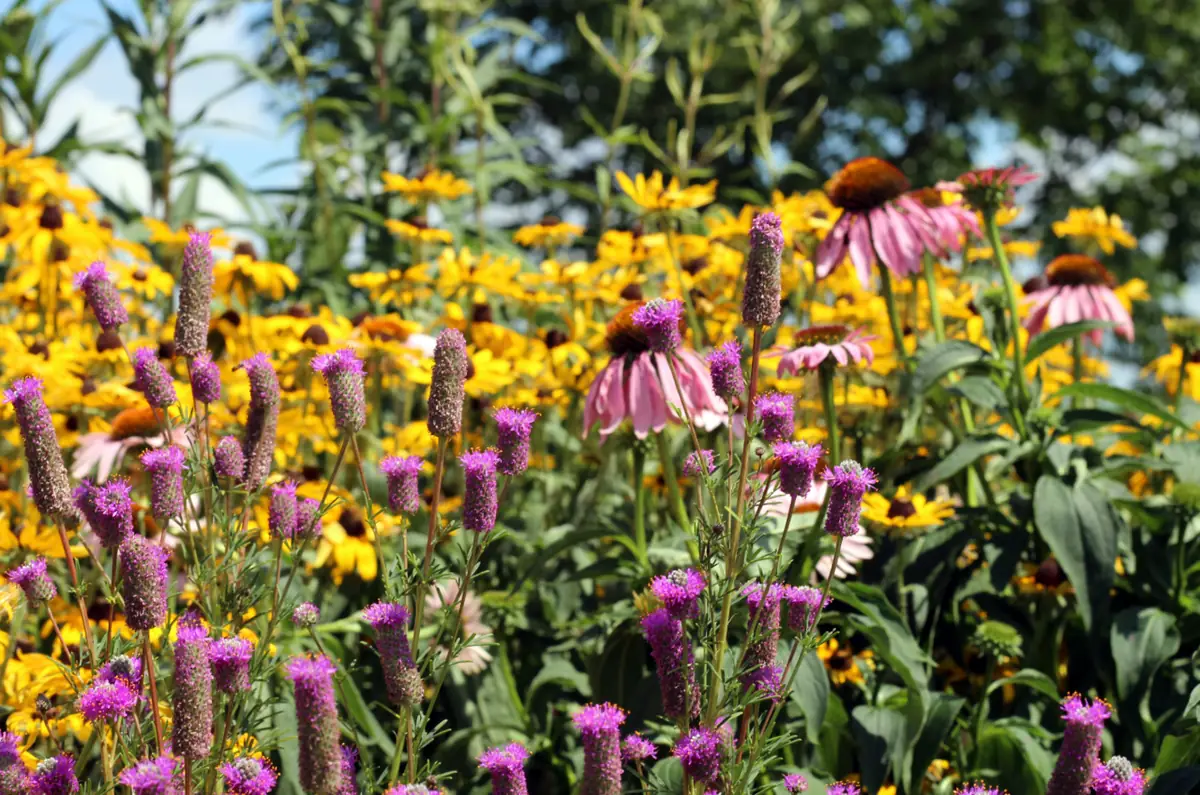
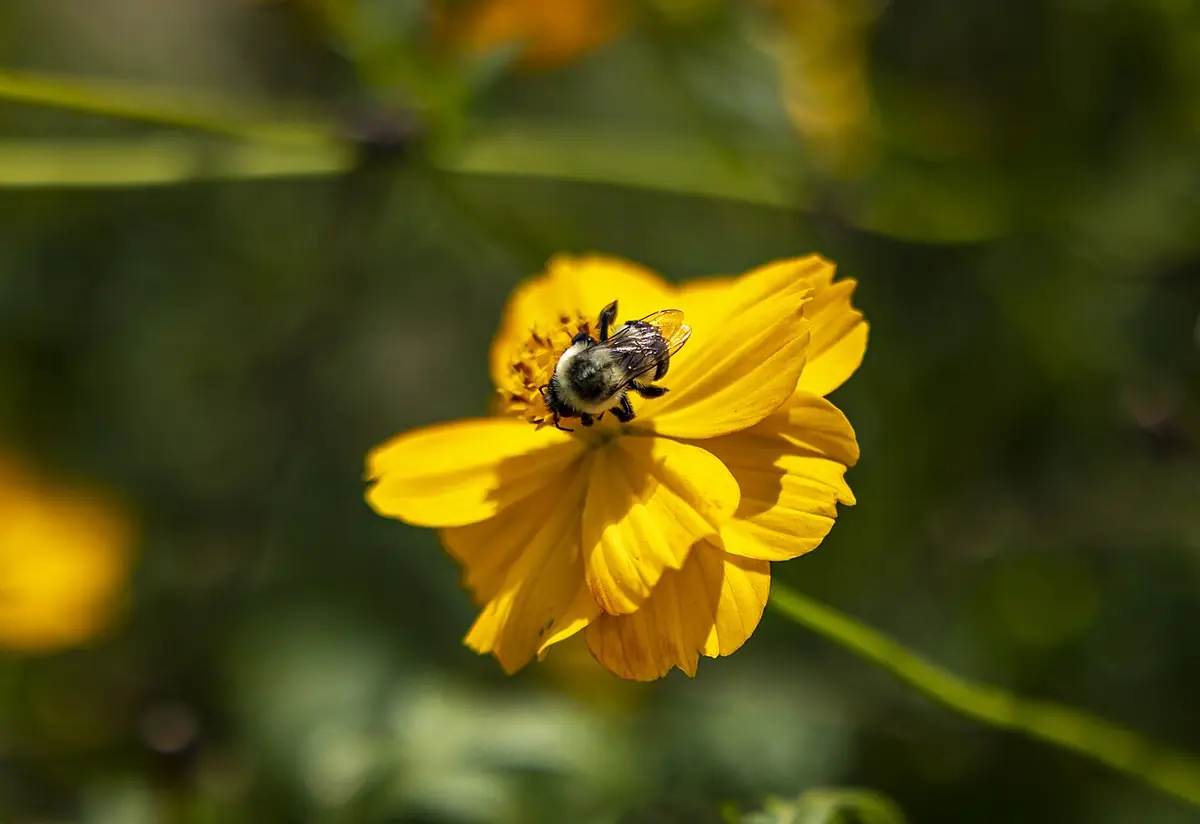
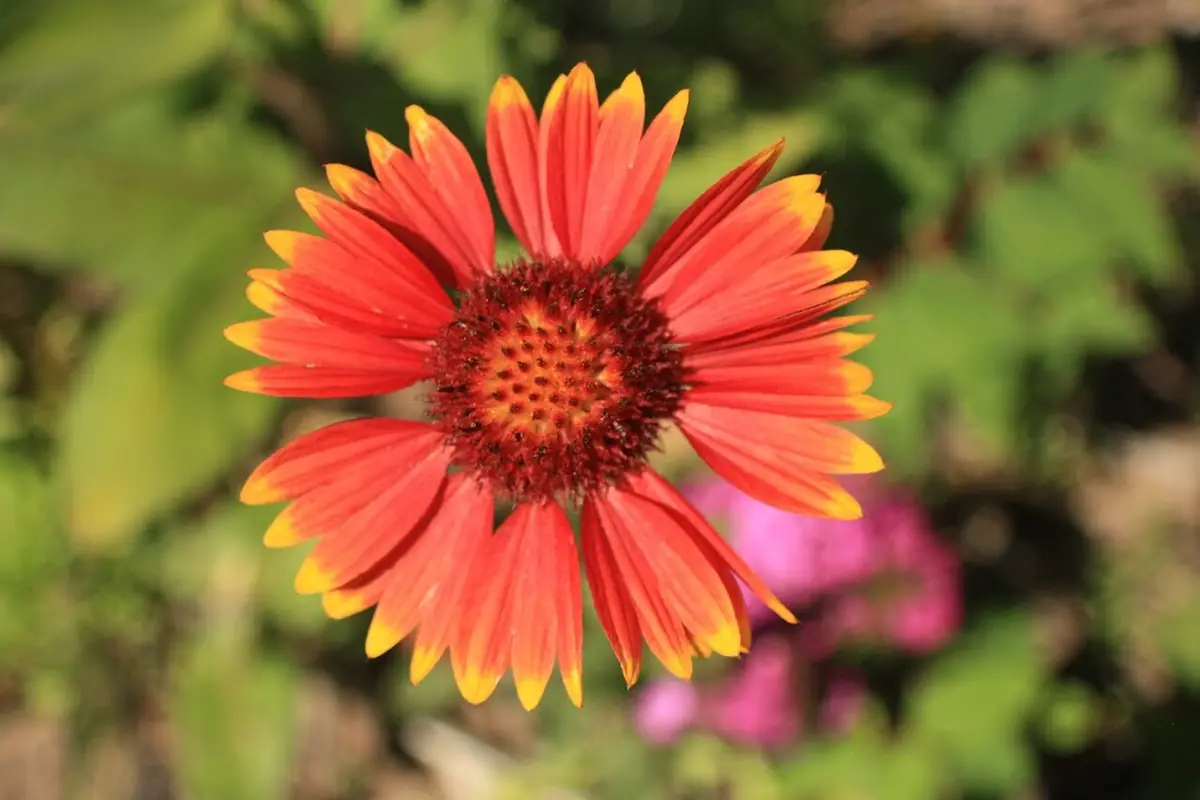
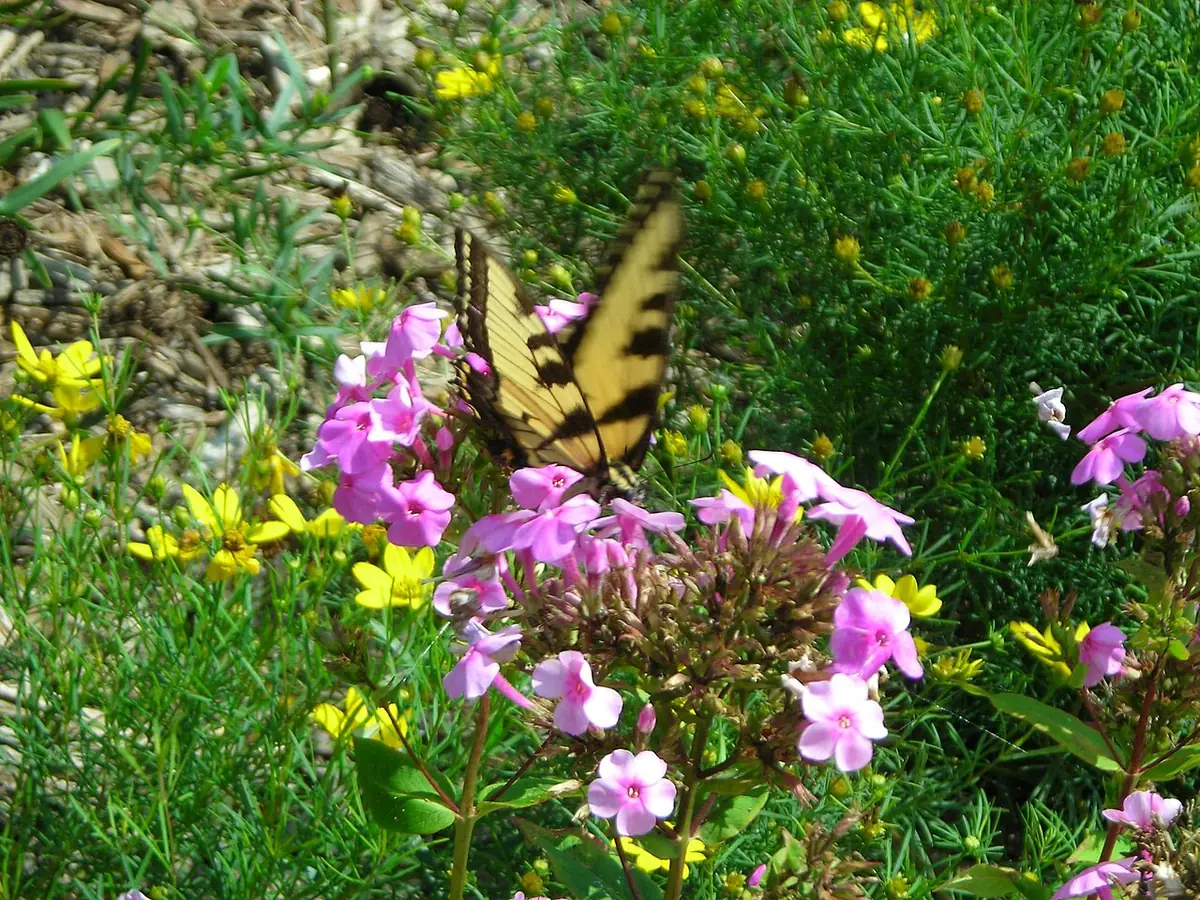
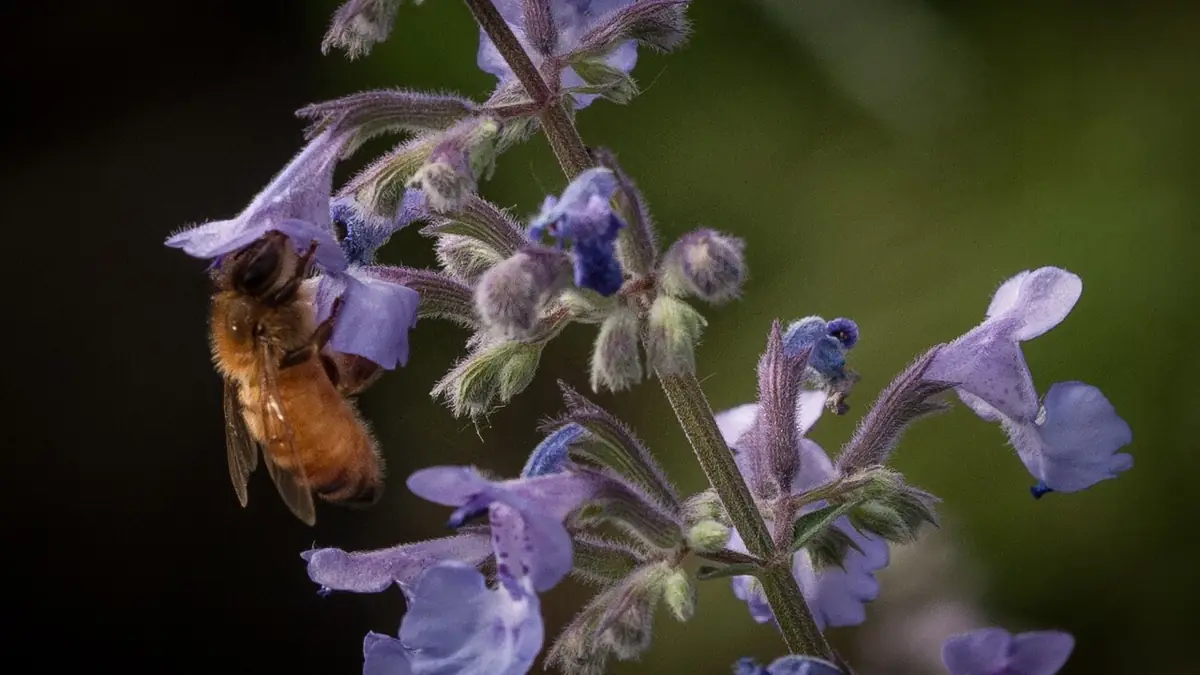
Create a welcoming patch of color with flowers suited to your space and local pollinators.
Sow after frost into soil that has warmed, placing seeds at the depth on the packet. Thin seedlings before their leaves overlap.
Choose a height that suits the bed. Sow shallowly after frost and thin young plants so each can develop several side branches.
Sow into a prepared surface at the recommended depth and keep the seed zone moist. In hot climates favor the cooler growing season.
Match the variety to the space because compact French types and taller African types have very different proportions.
Decide between single stem, branching and dwarf types before sowing. Direct sow when soil warms, then thin to the variety spacing.
Set small plants at the spacing on their labels and allow room for a low spreading cushion. Choose the cooler season in very hot regions.
Confirm the species and its local winter hardiness. Plant with the crown at soil level, keeping space for the mature spread.
Check which species or cultivar you have and its local suitability. Set the crown level with the soil and settle the root ball gently.
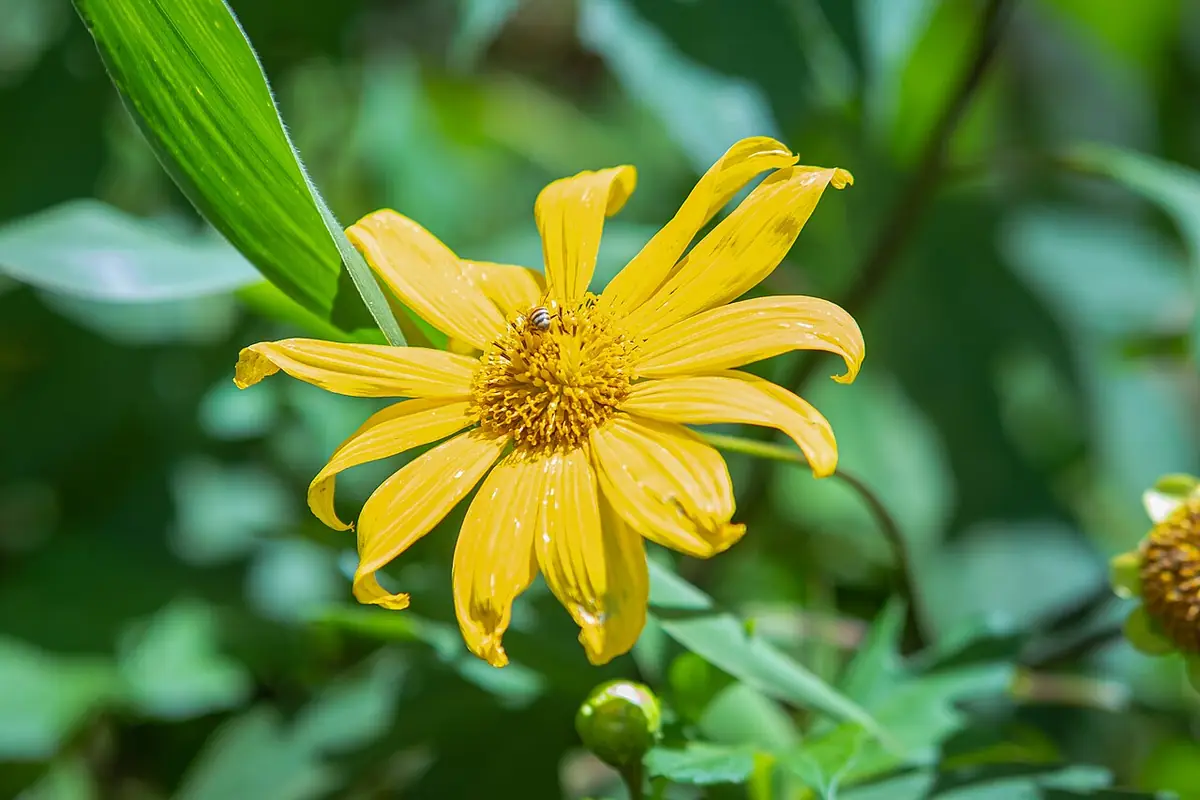
Check the plant identity because Rudbeckia includes annual and perennial types. Plant to the label spacing rather than squeezing young pots together.
Choose a locally suitable Monarda and allow its labeled spread. Place it where a breeze can move through the planting without harsh exposure.
Choose a cultivar whose mature spread fits the available width. Plant away from the exact path line so stems can arch without blocking passage.
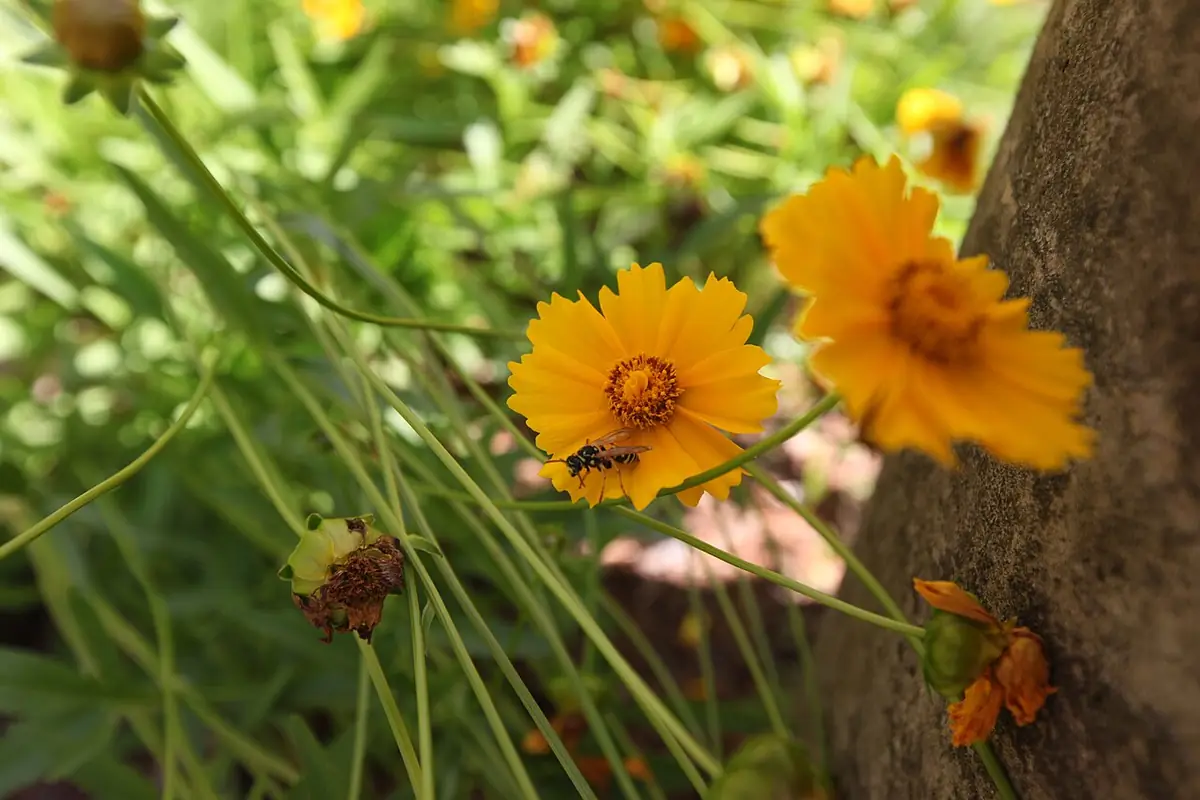
Read the variety label for height, hardiness and lifespan. Some coreopsis behave as short lived plants even when sold among perennials.
Check local hardiness and avoid a low pocket where winter water collects. Set the plant at its original soil depth.
Choose a garden variety suited to your area and confirm its spreading habit. Leave enough space for the mature clump and neighboring root systems.
Select a locally suitable tall garden phlox cultivar, allowing the stated spread. Keep the base at the original planting depth.
Match the species and variety to your soil and region. Use the mature height and spread to position plants before the summer border fills.
Choose a named clump forming garden selection or a locally suitable species after checking its spread.
Choose an upright Hylotelephium type rather than a creeping ground cover if you want a rounded late season clump.