Keeping a Dragon Tree From Leaning
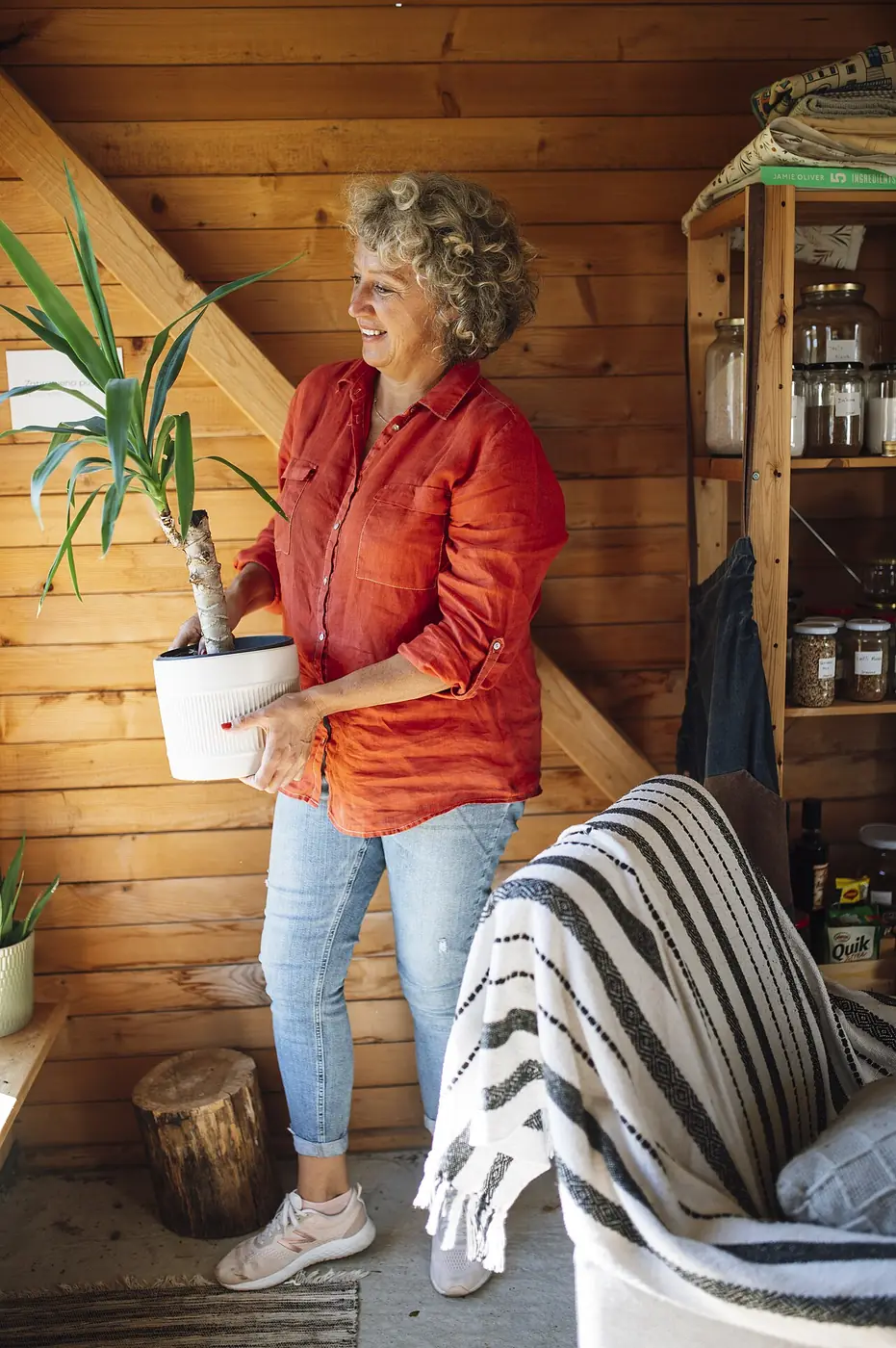
Dragon tree canes may lean because the light is directional or because a loose root ball no longer anchors them well.
Good growing starts with a little understanding. Find practical ideas for your plants, your patch and your everyday home.
Dragon tree canes may lean because the light is directional or because a loose root ball no longer anchors them well.
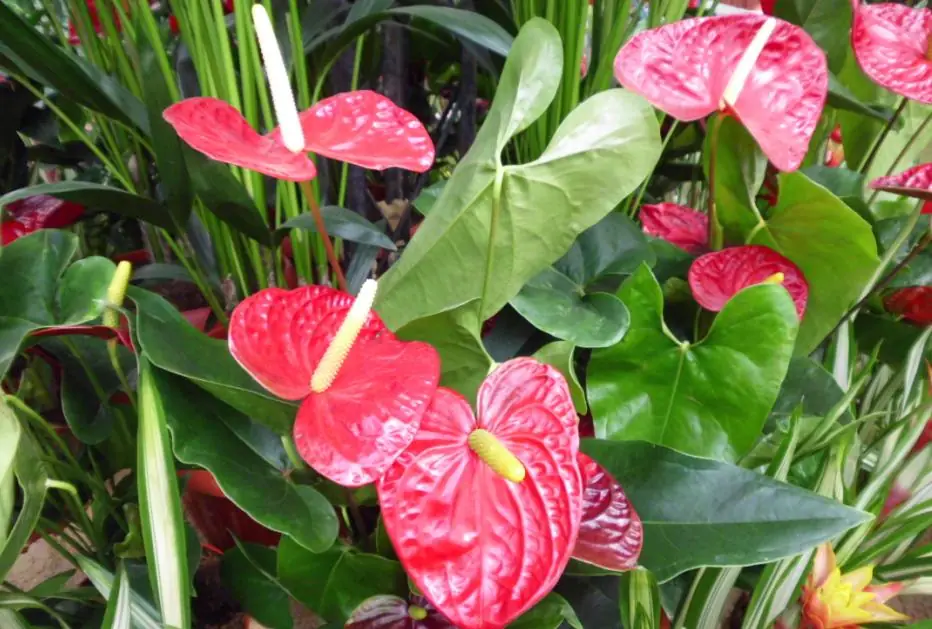
An anthurium can be healthy between flowering cycles. Check that the roots sit in an open mixture and that the plant receives useful filtered light before trying to encourage more blooms.
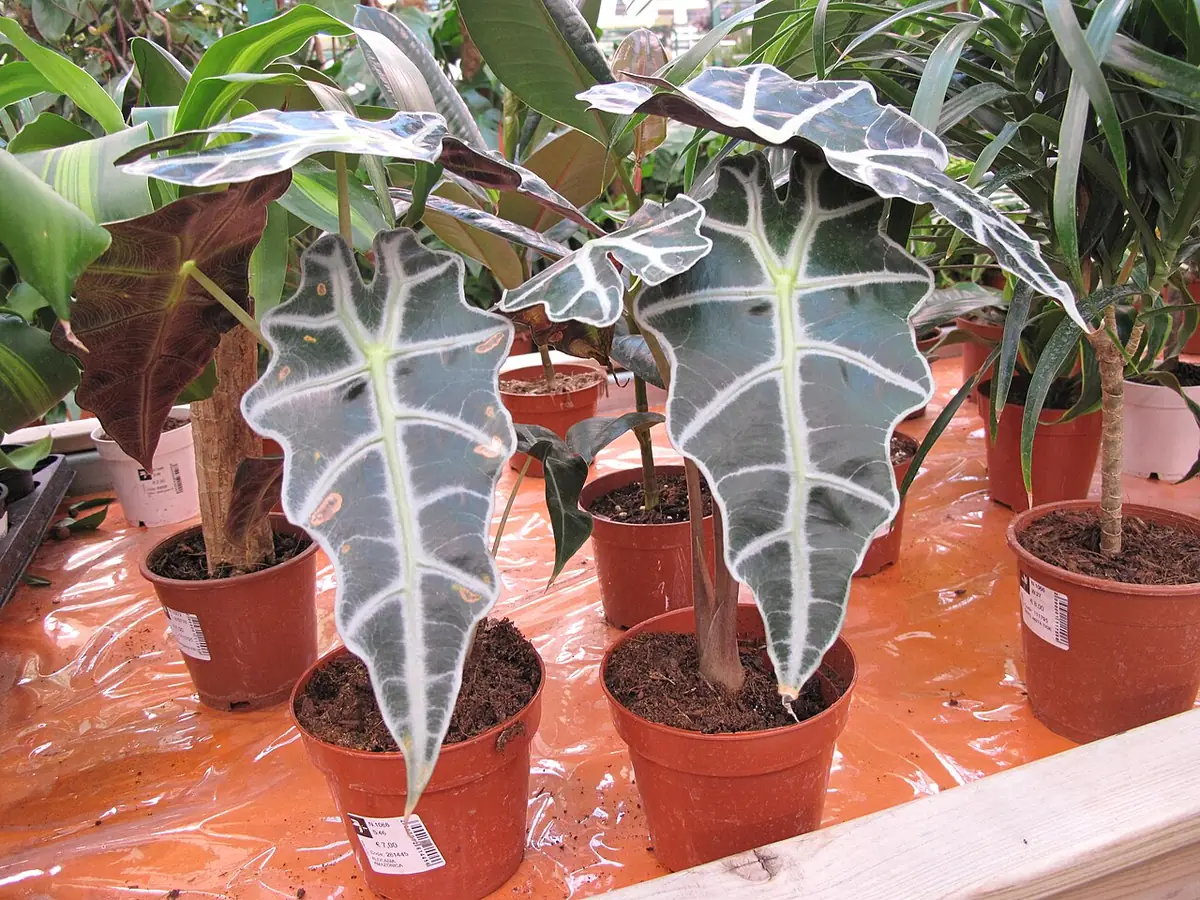
An Alocasia may temporarily carry fewer leaves in a cooler dimmer period. Assess the firm rhizome, roots and newest growth before discarding it.
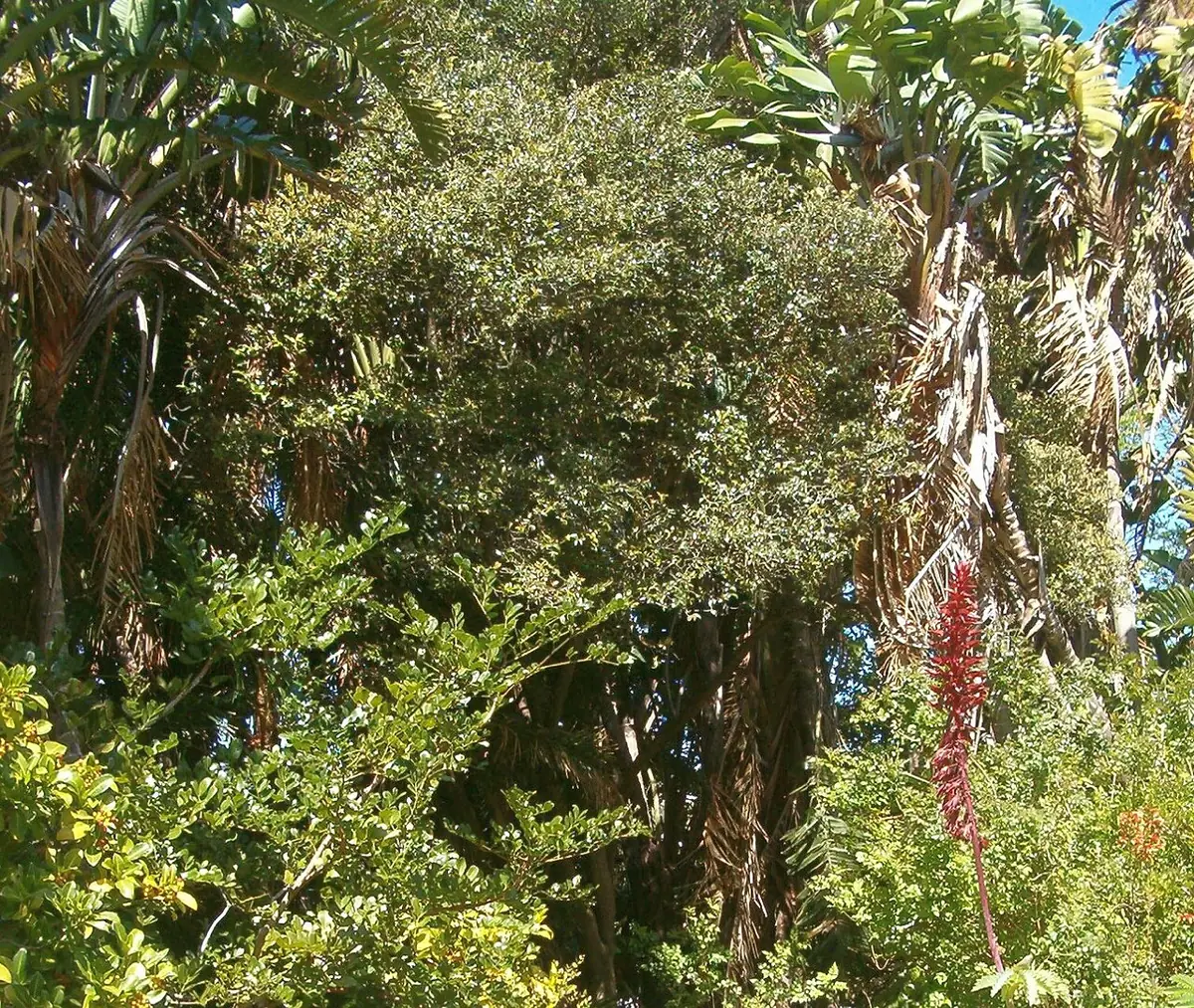
A bird of paradise leaf unfolds as a large sheet and can be damaged if it is forced open. Give the emerging leaf space and inspect room humidity and moisture if it appears slow.
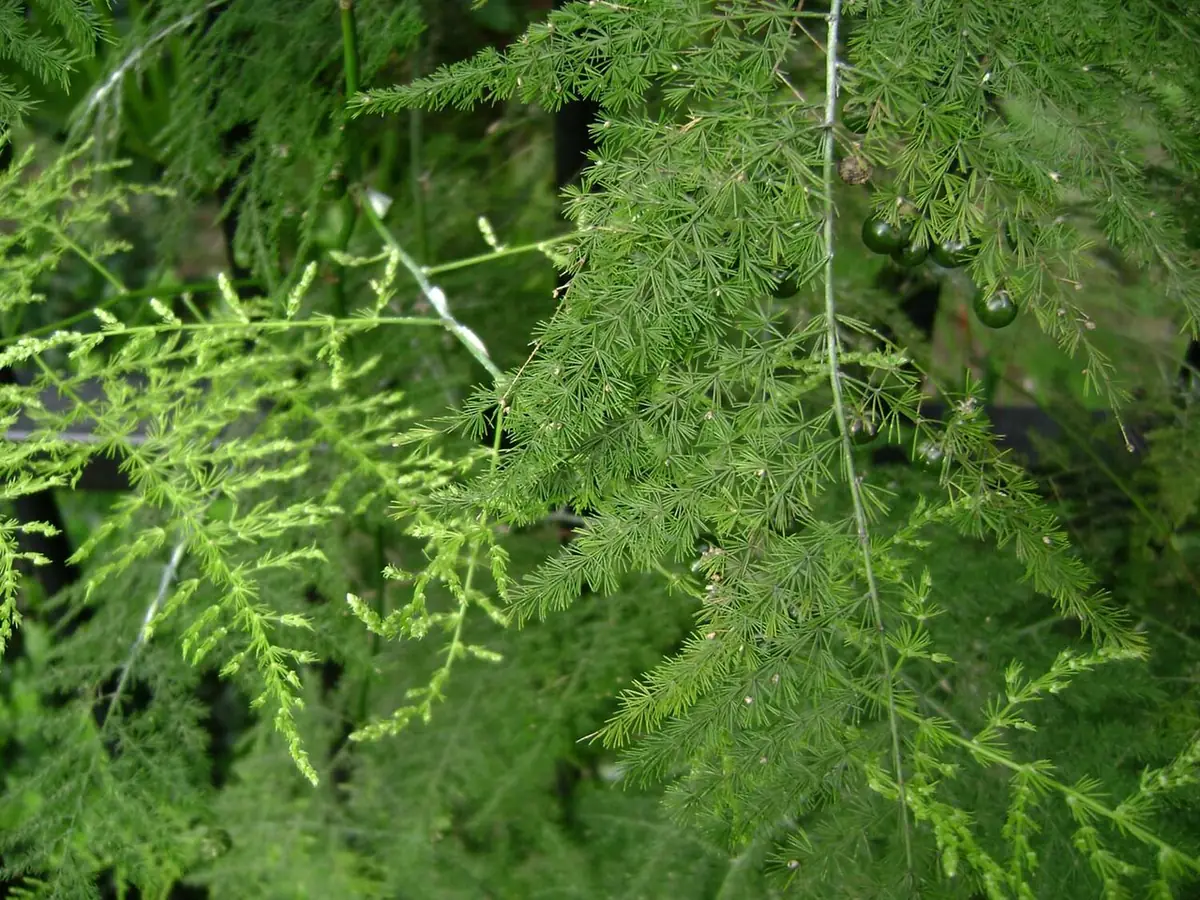
Asparagus setaceus can form a dense root mass that pushes against the pot wall. If watering becomes difficult or the container is distorted, inspect during a suitable repotting period.
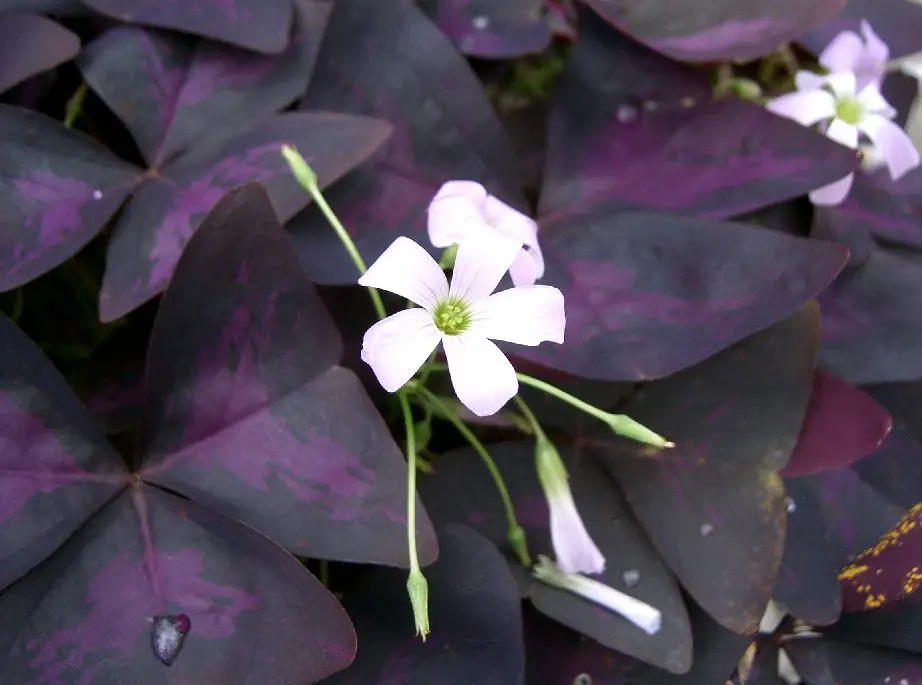
Purple shamrock bulbs can remain alive when the foliage disappears during a rest period. Check for firmness and avoid maintaining the fully watered routine of an actively leafy plant.
Tradescantia is often easiest to renew before the rooted top becomes almost bare.
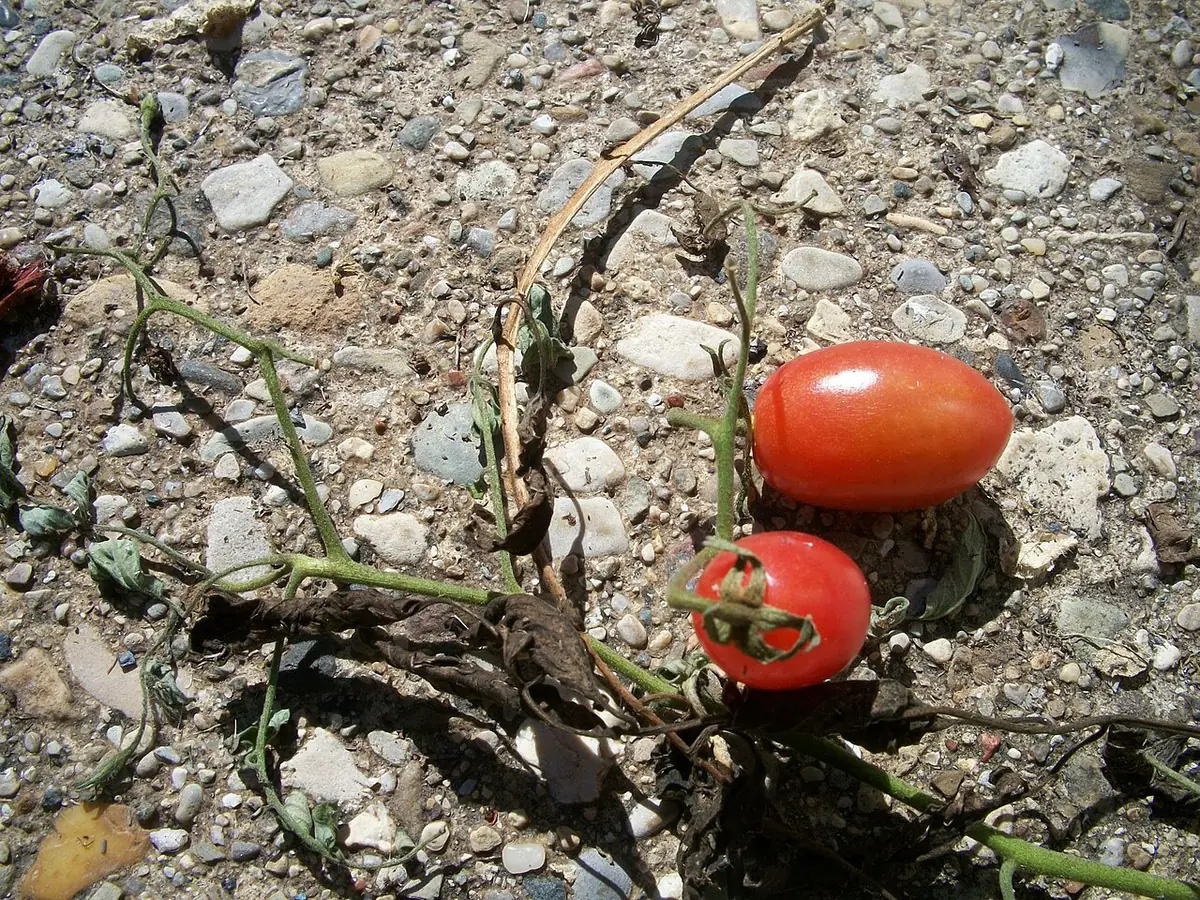
Match the tomato variety to a roomy draining container, install support early and maintain steady moisture as fruit develops.
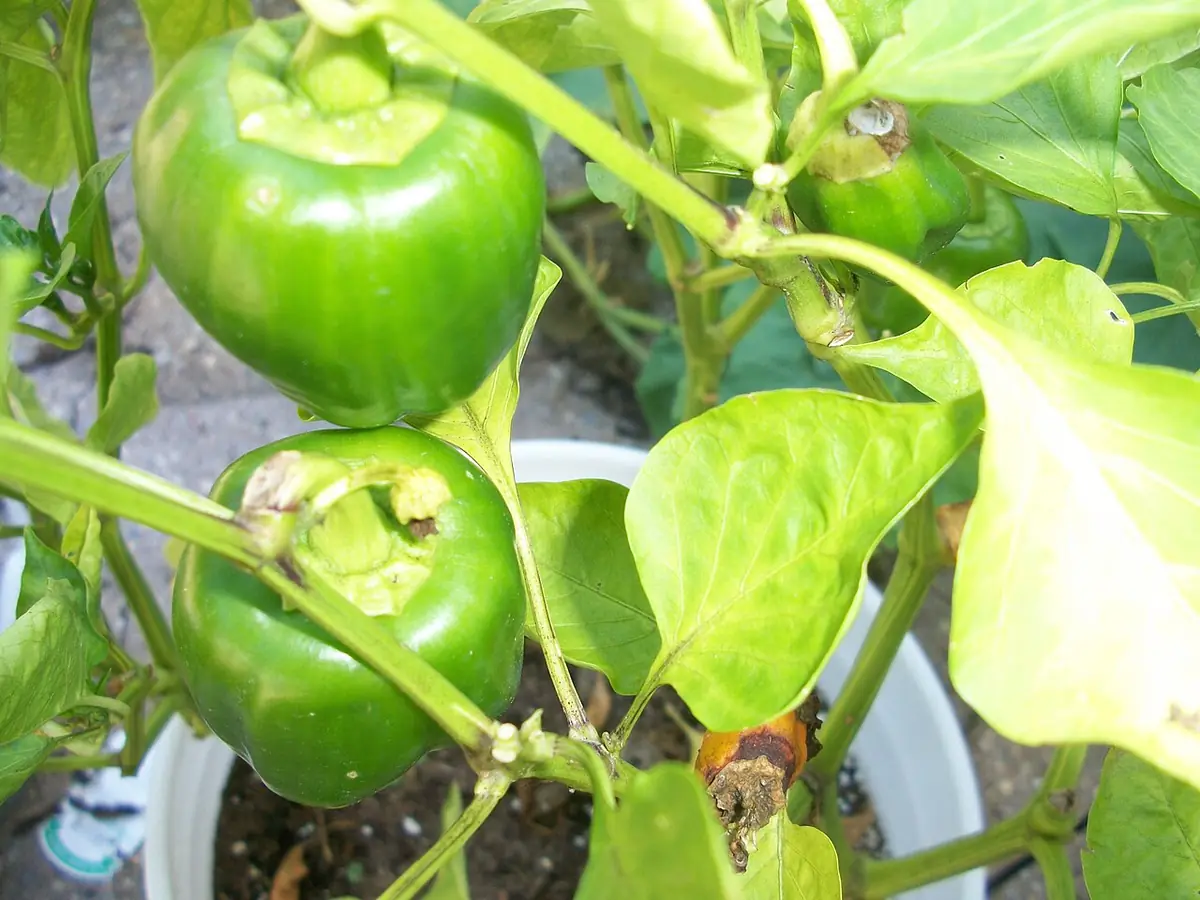
A pepper can carry more developing fruit than a small container can support comfortably. Harvesting some fruit at its edible green stage reduces the load while leaving others to develop their mature color.
When an eggplant flowers but does not set useful fruit, compare the recent temperatures and plant condition before adding fertilizer.
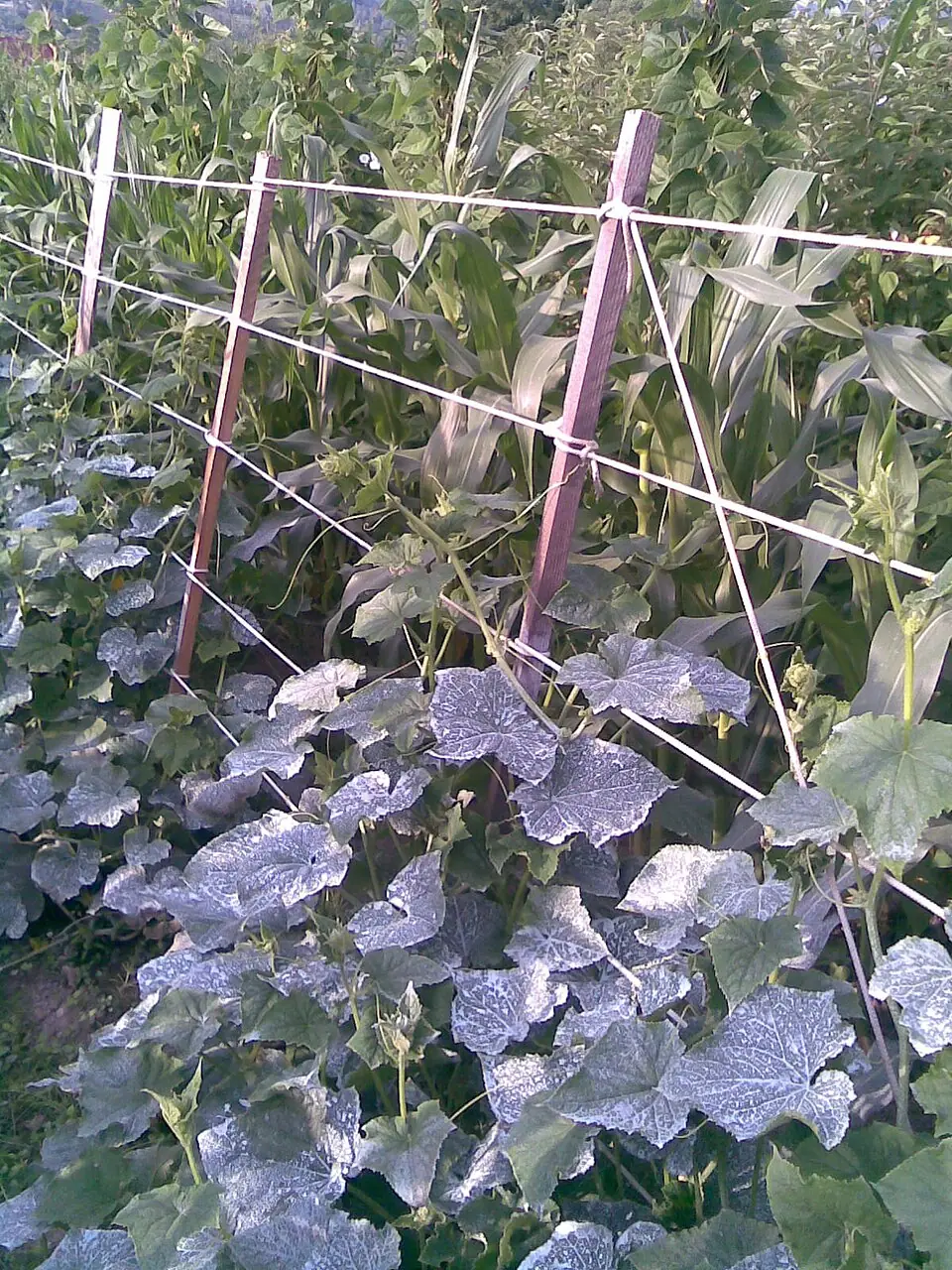
Train a cucumber while its stems are flexible. A soft loop should guide the vine without squeezing it, and developing fruit must hang clear of tight gaps.
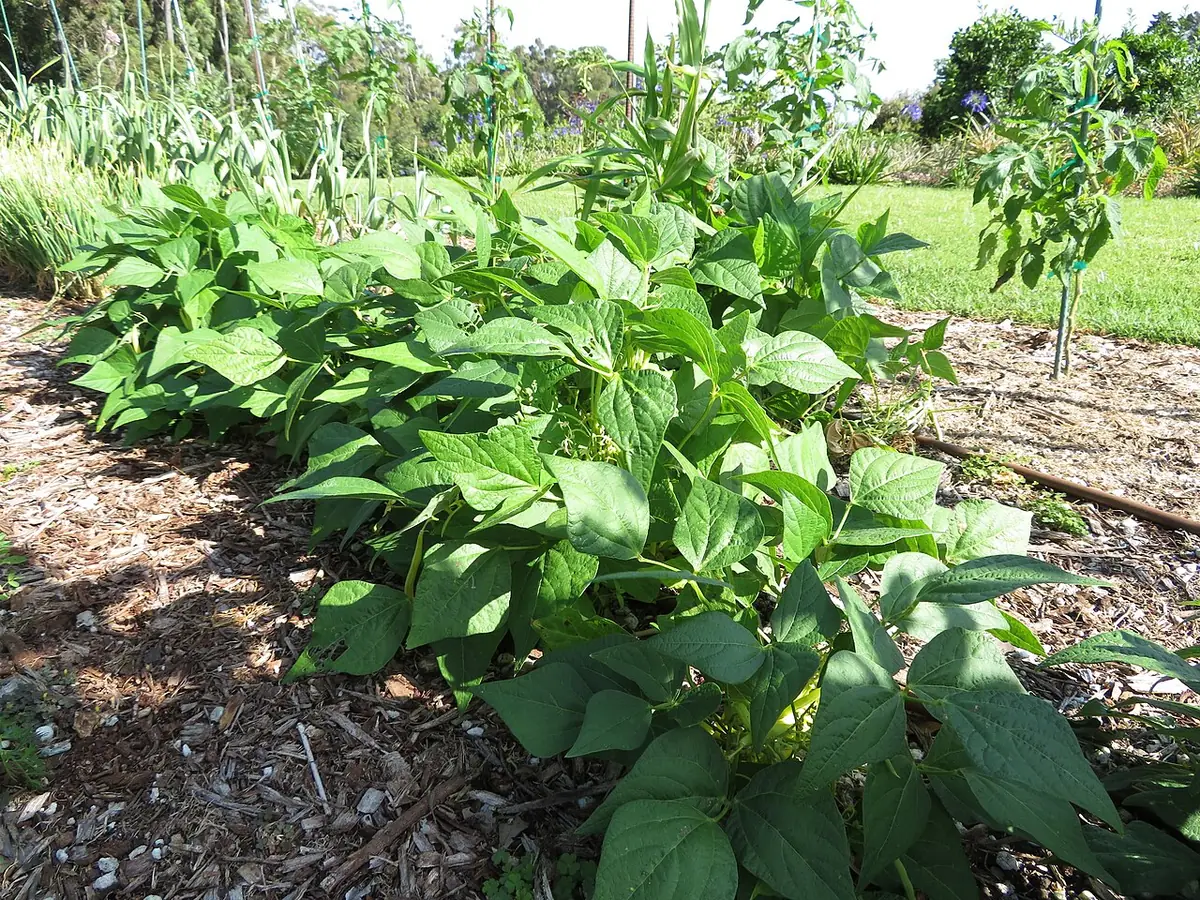
Bush beans are usually simpler to sow directly than to divide from a crowded seedling tray. Thin young plants by cutting unwanted seedlings at the mix surface if pulling would disturb neighboring roots.
A climbing bean support becomes a wind catching surface once covered in leaves.
For lettuce, decide whether to harvest whole small plants or take outer leaves from established crowns.
Spinach is easier to schedule around cool conditions than to rescue after flowering has started. Watch the central stem and make a final tender leaf harvest when it extends rapidly.
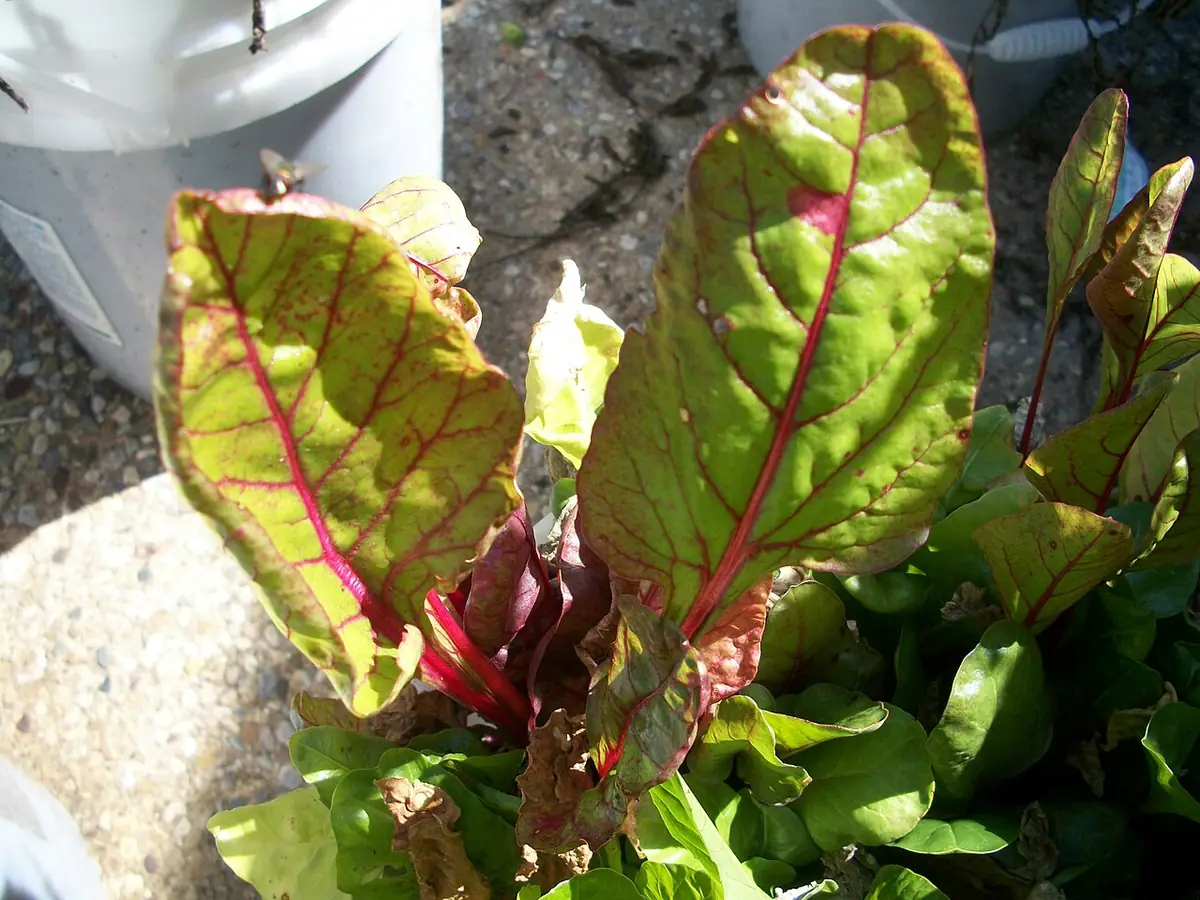
Chard seed can produce a cluster of seedlings at one point. Separate or thin them while young so each crown has room for broad leaves.
A kale container needs room for the final canopy, not just the small transplant. Check that broad leaves will not cover the neighboring pot or the walkway.
Radish timing is best checked by sampling. Brush a little mix away from one shoulder or pull a representative plant rather than waiting until every top looks large.