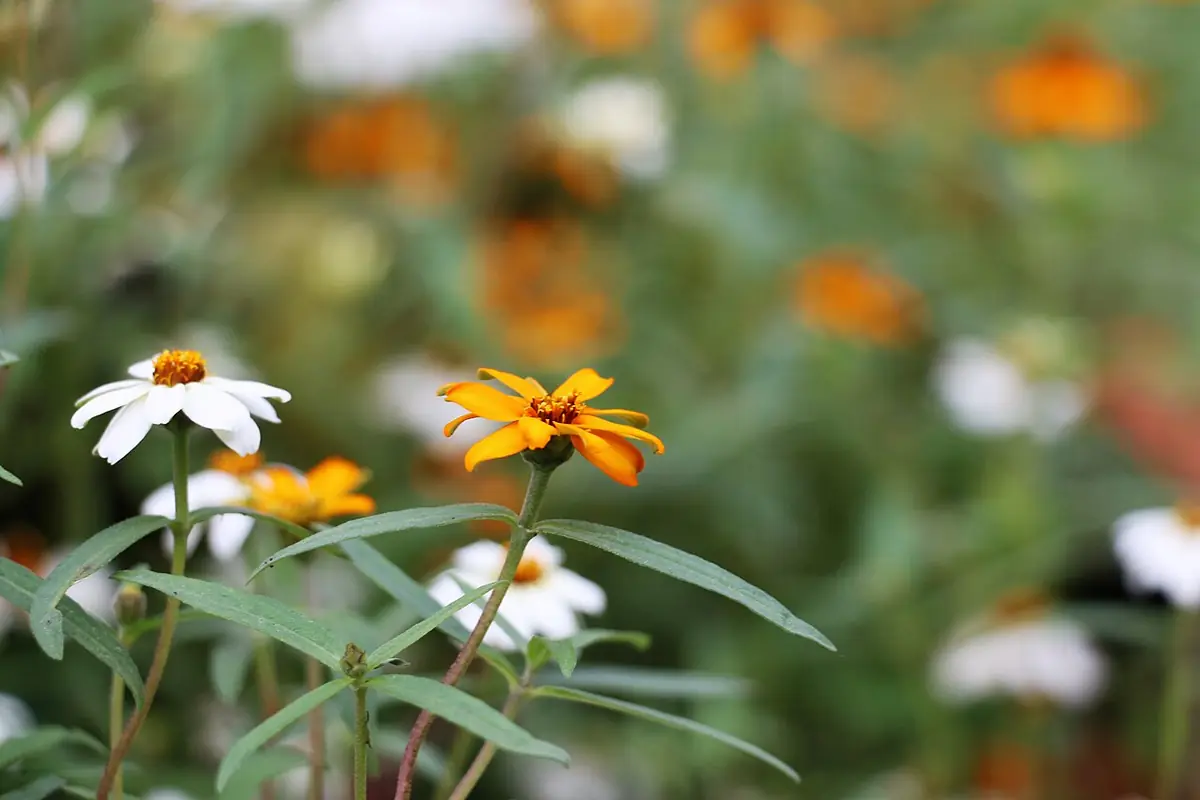
Growing Pansies Without Keeping Roots Soggy
Plant during the season recommended locally and choose pots with open drainage holes. Space plants for their developed width, not an instant packed display.
Good growing starts with a little understanding. Find practical ideas for your plants, your patch and your everyday home.
Plant during the season recommended locally and choose pots with open drainage holes. Space plants for their developed width, not an instant packed display.
Use a container deep enough for roots and fill with a suitable potting mix. Match the planting season to local weather rather than a calendar photograph.
Confirm whether the chosen pincushion flower is annual or perennial in your climate. Plant at its original depth and avoid crowding it with broad foliage.
Choose an Armeria suitable for your region and place the crown level with surrounding soil. Keep vigorous ground covers from growing over the compact cushion.
Choose Phlox subulata or another appropriate creeping type and check local requirements. Space young plants so each can root into the slope securely.
Check the species, local suitability and spreading habit before planting. Low edging bells and tall border bells need different amounts of space.
Sow cornflower seed in the locally suitable season and thin seedlings to the packet spacing. Avoid burying seed beneath an excessively thick layer of compost.
Choose the desired height and sow or transplant after frost according to the seed instructions. Harden indoor seedlings gradually before setting them outside.
Wait for stable warmth before transplanting and follow the variety spacing. Seedlings held too long in tiny cells can struggle when moved abruptly.
Check local suitability and mature height, then sow or transplant after frost and soil warming. Leave the full recommended distance between plants.
Check regional botanical or extension guidance for plants native to your actual area. A plant native to the same country may still be unsuitable for your location.
Record which plants flower at your site in early, middle and late season. Choose locally suitable additions to fill the longest empty interval.
Choose locally appropriate plants with accessible flowers and staggered bloom times. Keep the bed away from a narrow passage where visitors must brush through stems.
Observe where gusts travel before arranging pots. Use approved stable placements and choose compact plants for exposed positions.
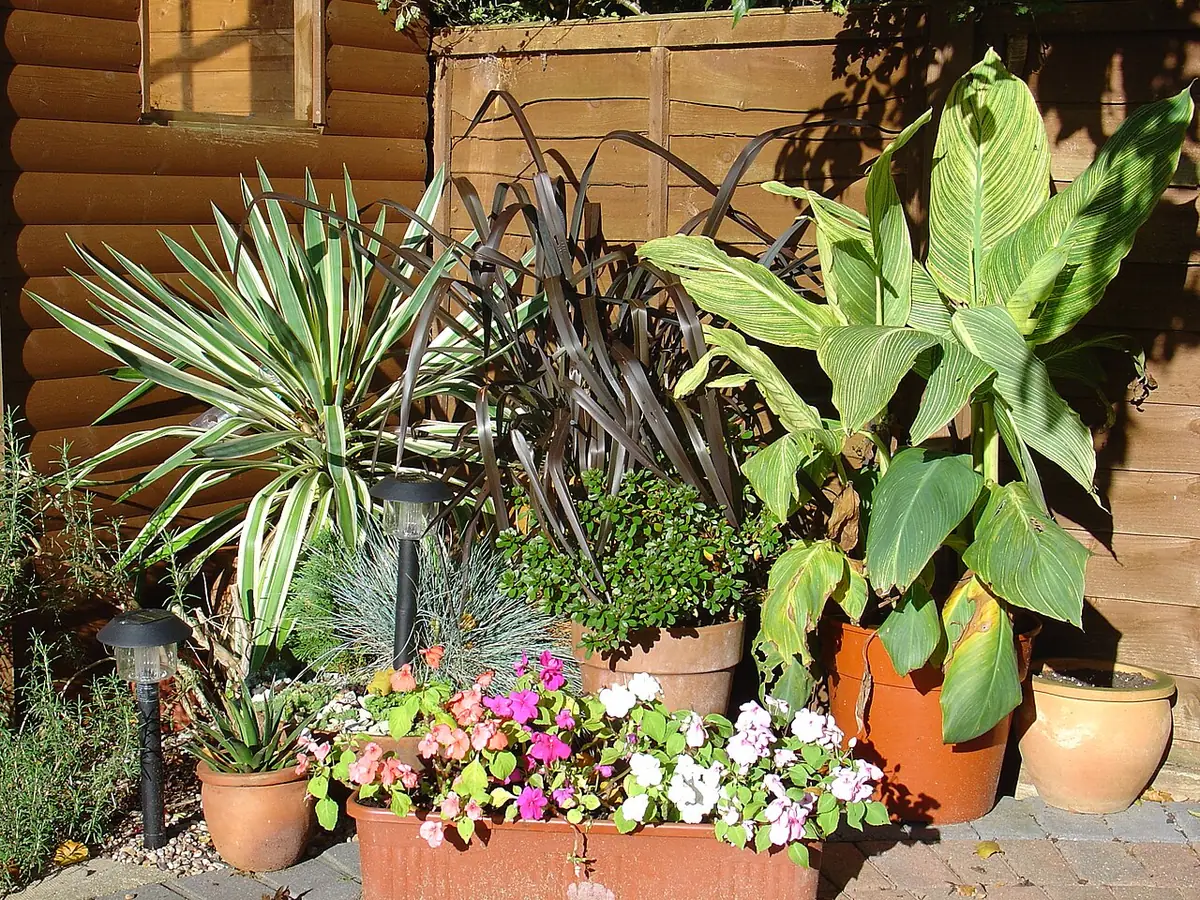
Group a few containers at different heights against one wall and preserve an open area of paving so the space still feels usable.
Use a slim planting strip or carefully sized pots on one side, keeping stems away from the route and the building wall.
Choose two stable pots or one compact planting group with mature growth that stays clear of the doorway.
Use freestanding containers on suitable pot feet and choose a small collection that you can move when necessary.