Healthy calathea leaves depend on an even root environment and filtered light, rather than frequent misting or extra fertilizer. If edges turn brown or leaves curl, check the mix before taking action. A dry root ball, a saturated pot, harsh sun and direct heated airflow can produce overlapping symptoms. Identify what changed and where damage appears. A single brown edge is not enough information to diagnose the whole plant.
Read the pattern on the leaves
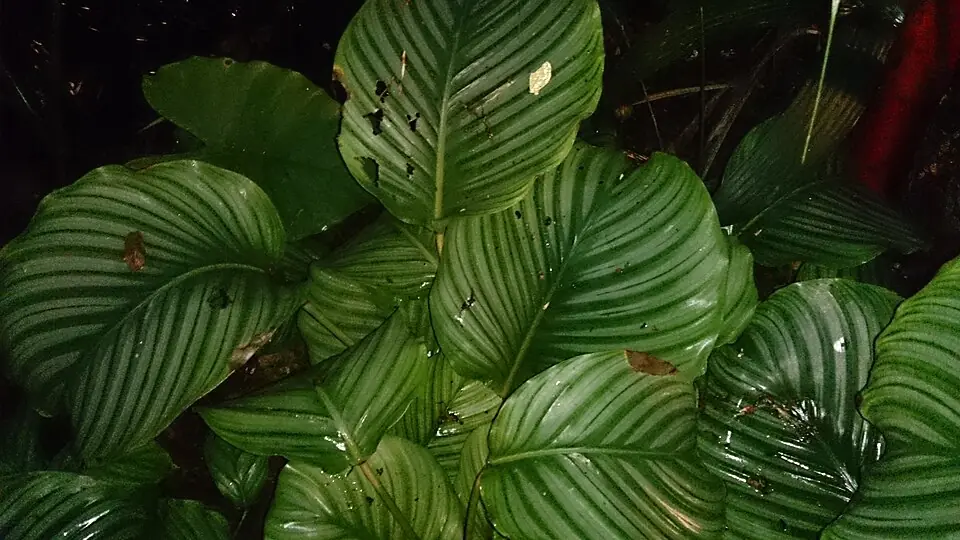
Start with the newest leaf and compare it with older outer leaves. Damage on the window side can suggest exposure, while repeated crisp edges near a vent suggest that the position deserves attention. Inspect leaf undersides too, because pests can resemble an environmental problem. Separate a visibly affected plant from close neighbors while you investigate. Avoid applying household sprays or concentrated remedies to delicate leaves as a test.
Choose a position with useful filtered daylight and protection from strong direct sun. A room that looks bright to a person may still have a dim shelf several feet from the window. Move the plant gradually if more light is needed. Keep leaves clear of hot radiators, cold glass and fans that blow constantly across them. Air should circulate through the room without forcing a drying current onto the foliage.
Build a steadier root environment
Check the upper mix regularly and water before the root ball becomes thoroughly dry, while allowing it to drain fully. The aim is moist root conditions with air spaces, not standing water. Feel below the surface and compare pot weight rather than keeping the surface permanently dark with small top ups. A nursery pot inside a cover is convenient only when you can remove it and empty the runoff after watering.
If water leaves deposits or leaf tips repeatedly deteriorate despite consistent moisture, consider water quality alongside feeding and drainage. A suitable lower mineral water source may help some plants, but changing water alone will not fix saturated roots or excessive fertilizer. Follow local water guidance and avoid adding unmeasured acid, salts or kitchen ingredients. Change one part of the routine at a time so a later improvement has a clear explanation.
Humidity is a room condition, and a brief spray does not keep it stable through the day. If the room is very dry, assess it with a hygrometer before buying equipment. A humidifier used and cleaned according to its instructions may offer more control, but it must not leave surrounding surfaces wet. Crowding many pots together can obstruct inspection and airflow. Keep enough space to see leaf undersides and reach every pot without brushing foliage.
Judge the next leaves
Brown tissue will remain brown even when care improves. Trim only dead portions if desired, using clean scissors, and leave healthy leaf area to support growth. Do not remove most of the canopy to make the plant look new. Feed conservatively when the plant is actively growing and according to the fertilizer label. A stressed plant with damaged roots does not benefit from a stronger dose intended to force larger leaves.
Photograph an opening leaf and compare the next few leaves under the same conditions. Stable moisture, firm leaf stalks and less new edge damage are useful signs. Some leaf movement through the day is normal for plants sold as prayer plants. Continued collapse in wet mix needs a root assessment, while spreading spotting or unexplained decline may need a local plant specialist. Confirm the exact plant identity because calathea trade names cover plants with differing habits.