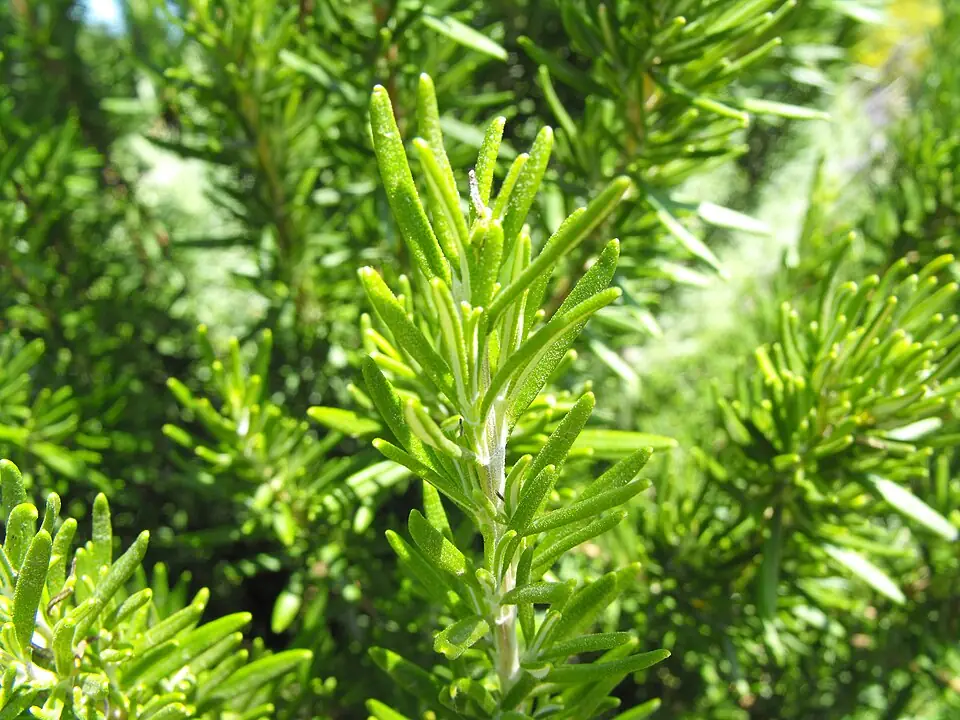
Container rosemary needs a cycle of thorough watering followed by an interval that lets air return to the root zone. Do not interpret its drought tolerance as a reason to ignore a small pot until it is completely dry. At the same time, repeated watering while the lower mix is wet can cause serious trouble. Check the root ball and drainage before choosing an interval. A rosemary in a sunny summer pot behaves differently from one indoors beside a cool window.
Distinguish dry roots from damaged roots
Feel below the top layer and compare the weight of a manageable pot. The upper surface can dry quickly in wind while the lower root zone remains damp. Examine the original nursery root ball too, especially soon after potting into a different mix. A dry central plug surrounded by moist new material needs a different response from uniformly wet medium. Look for the actual distribution of water instead of judging by one patch of surface color.
Use a container with open holes and a medium suitable for herbs that require good drainage. Place it where runoff can leave without pooling around the base. A tray under an outdoor pot should not hold repeated rainfall against the roots. Raising the pot slightly can help keep outlets clear where appropriate, but it does not solve a sealed container. A gravel layer inside the bottom is not a substitute for an outlet either.
Make drainage work
Choose a bright, sunny location appropriate to the climate and introduce a plant gradually to stronger exposure. Indoors, rosemary can struggle when light is limited but the mix is kept moist as though growth were vigorous. Avoid treating browning foliage as an instruction to add water before checking. Dry needles can remain on branches after both drought and root damage, so their appearance alone does not identify which condition occurred.
When watering is needed, wet the root ball evenly and allow it to drain. A fast stream that exits immediately down a side gap may leave roots dry. Apply water slowly in stages if necessary and verify the result. Do not leave the pot in a reservoir unless it is part of a growing system specifically suitable for the plant. Container volume, wind and the amount of foliage determine how soon another inspection will be useful.
In a wet season, shelter can matter more than a different watering schedule. A pot exposed to persistent rain may remain saturated without any watering from you. Choose a position that protects drainage and still provides appropriate light and airflow. In cold climates, the species and cultivar determine whether outdoor overwintering is realistic. Do not use a mild region's advice as proof that an exposed container will survive your winter.
Adjust care with the weather
Harvest small amounts from healthy leafy growth rather than making deep cuts into old bare wood. Heavy pruning is not a cure for a wet root system. Avoid feeding a stressed plant in an effort to force replacement foliage. If the base softens or decline spreads despite corrected conditions, inspect roots carefully and seek a local assessment if necessary. Some severely affected plants cannot recover, and repeated interventions can make the cause harder to identify.
Use a record that connects moisture with weather. A note that the pot was still damp after several cool days explains more than a rule to water every Sunday. Compare new shoot growth and the firmness of healthy stems as conditions improve. Maintain enough spacing to inspect the base and reach the pot safely. A plant that can be observed and drained easily is much easier to care for than one crowded into a decorative arrangement.