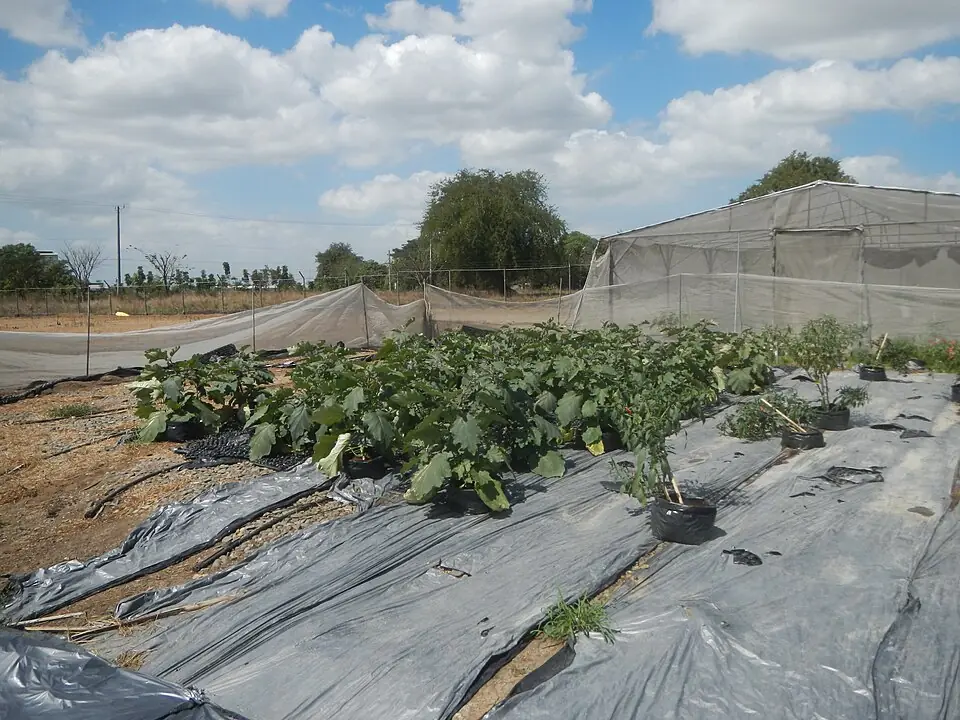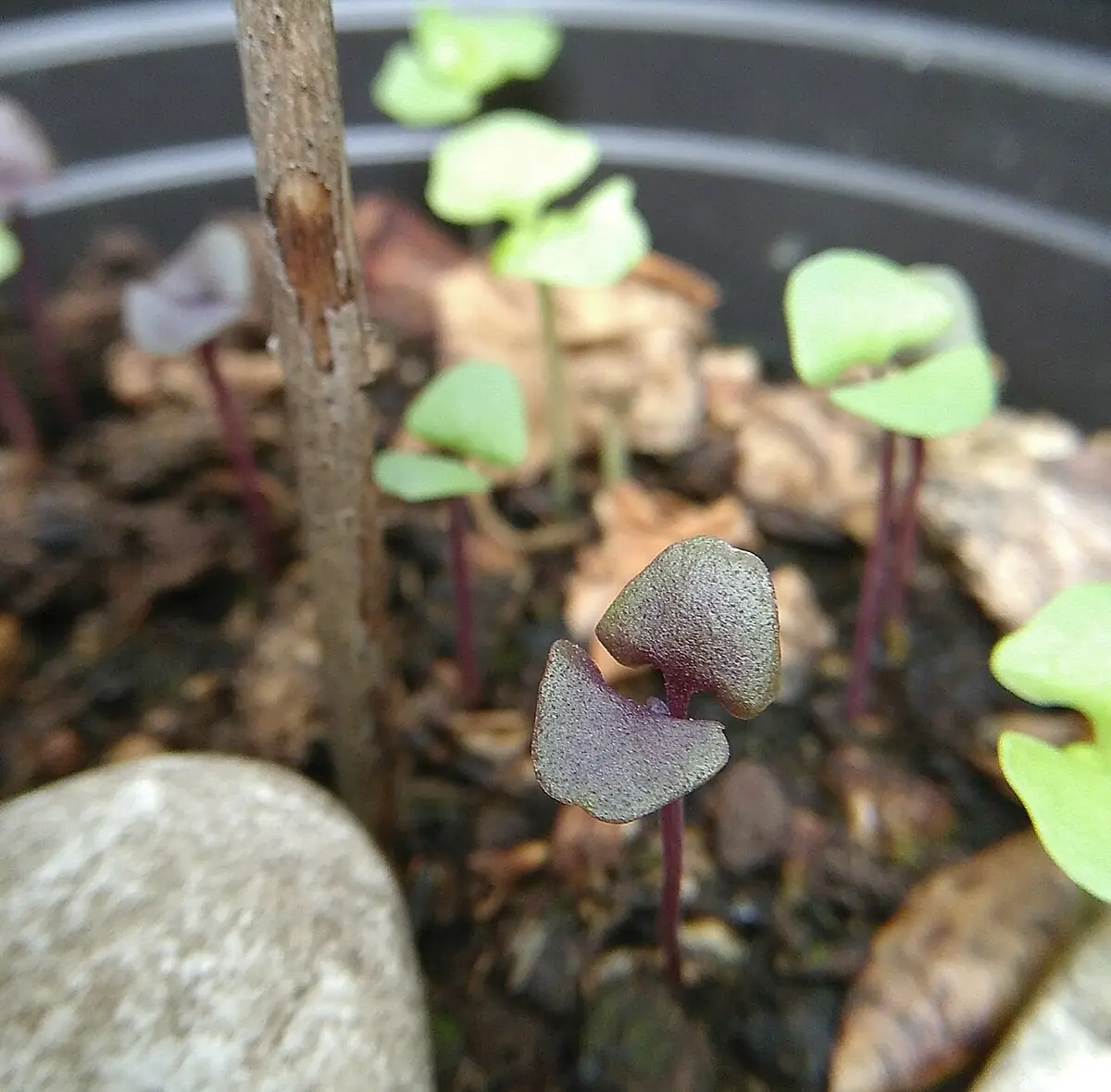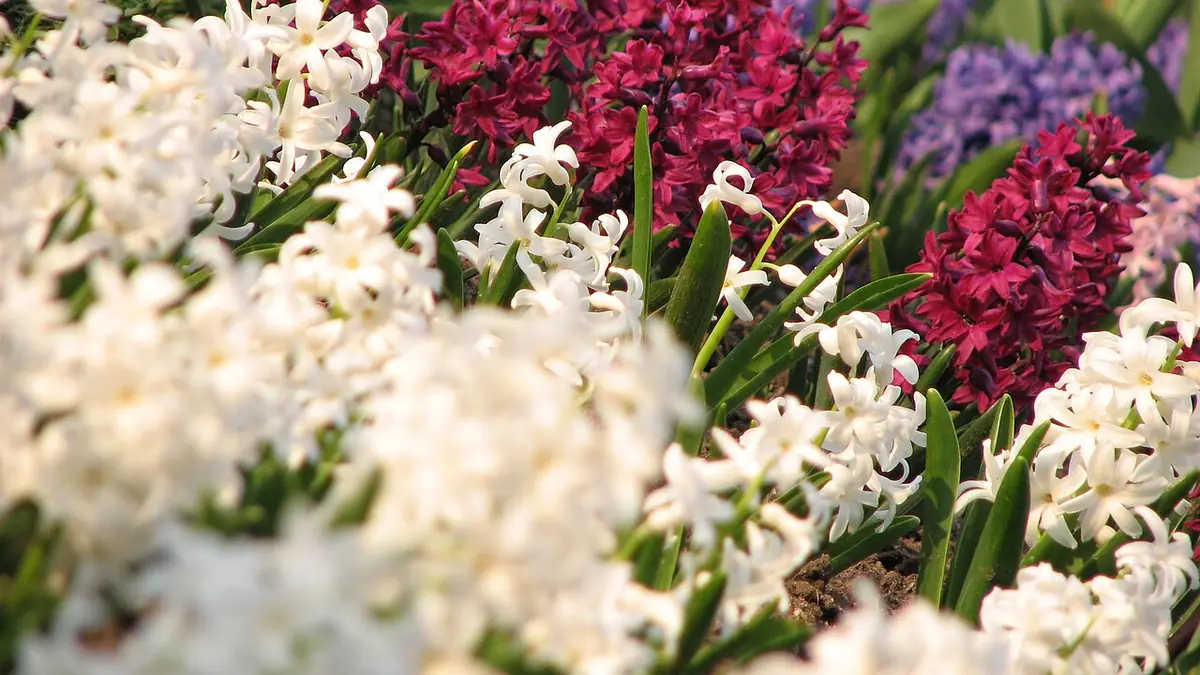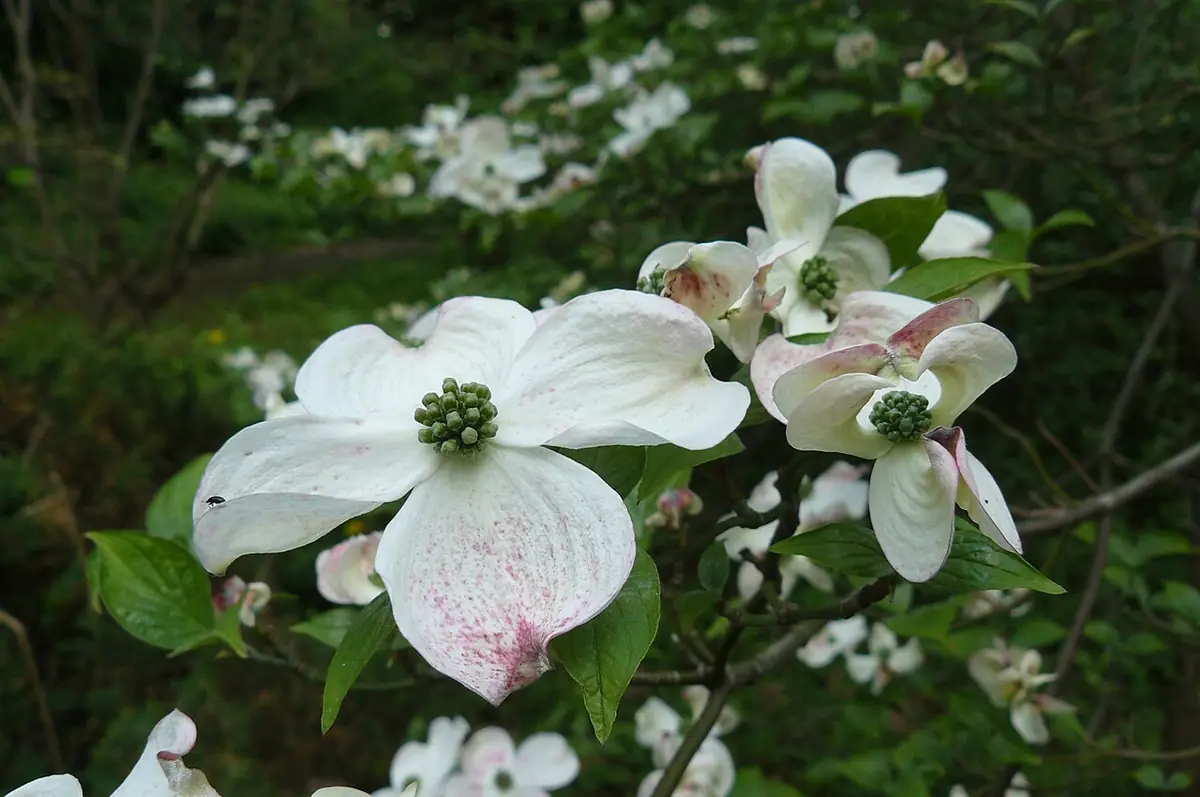
Photograph the same bed from a fixed position and note any changes made to light, spacing or watering. Keep plant labels associated with the correct image. Choose a manageable section to work on and keep plant identities clear while making changes. The aim is a useful improvement that can be maintained, not the completion of every possible job in one session. Check species specific guidance where planting depth, pruning or winter protection differs. A common name alone may cover several plants with quite different requirements.
Read the conditions
Record when a pot was actually dry before watering, not merely when you happened to water it. This makes later comparisons more informative. Feel below the surface and compare more than one position before altering the routine across the entire garden. A roof overhang can keep soil dry during rain, while a low bed may stay saturated long afterward. Water should reach the active root area without leaving a full saucer, a wet crown or runoff across a walking route.
Consider root disturbance and exposure while carrying out work linked to a spring garden record. Avoid trampling wet beds, pulling plants by their stems or leaving lifted roots exposed unnecessarily. Keep suitable tools clean and in good condition. If the ground, temperature or weather is unsuitable, delay the optional part of the job rather than trying to compensate with extra feed or water afterward.
Adjust care thoughtfully
A record full of tasks but no outcomes cannot explain why a plant improved or declined. Add one observation after each meaningful change. Look at the pattern across the whole plant and compare it with the conditions in that exact position. A symptom can have more than one cause, so do not make several unrelated care changes at once. When the identity or cause remains uncertain, consult a reliable local horticultural source with clear photographs and the correct plant name.
Use the notes to select next season plants and avoid repeating a spacing error that looked harmless at planting time. Make a short note of what was observed and what changed. Useful records include actual root moisture, new growth, crowding and the response after a reasonable interval. Record the outcome as well as the task so the note can improve the next seasonal decision. A photograph taken from the same point often reveals spacing changes that memory misses.
Do not infer a reliable growing rule from one unusually warm week or one isolated plant. Keep access routes, drainage openings and building ventilation clear while working. Store equipment and garden materials appropriately afterward, and do not let a temporary setup become a permanent obstacle. If a job needs specialist structural, tree or access work, use suitable professional advice instead of treating general gardening guidance as a site assessment.
Observe the next change
At the next check, review a spring garden record in terms of what the plants and space now need. Healthy new growth, stable root moisture and an arrangement that remains easy to inspect are more useful indicators than a perfectly uniform surface. Keep a realistic amount of planting for the time and water available. Carry forward the observations that proved helpful and adjust the routine when the season or the individual plant changes.