A chive division needs a useful group of bulbs and roots, not a handful of clipped leaves. Reduce congestion during a suitable growing period, replant at the previous level and water gently. Resume heavier harvest only after the division shows that fresh growth is established.
Choose the growing conditions
Choose sun or light shade with adequate growing season moisture. Observe the actual light at the growing position rather than relying on how bright the room or patio looks from a distance. Buildings, trees and window glass can change the exposure substantially. If Chives has been raised in a sheltered nursery, introduce stronger outdoor light gradually. Avoid combining a move, a major trim and a repot on the same day unless the plant condition makes it necessary.
Use a draining pot with room for a small established clump. Drainage holes should remain open after the container is placed in a tray or outer cover. Fill with a growing medium intended for containers instead of compacting heavy garden soil around the roots. Set Chives at the appropriate original growing level and water it in gently. Leave enough room below the rim for water to soak into the mix without washing soil over the side.
Water and harvest thoughtfully
Water when the upper layer dries slightly while the clump is actively growing. Check the mix below the surface and, where practical, compare the weight of the pot before and after watering. Give the root ball a thorough drink, allow surplus water to escape and remove any water left beneath it. The needs of Chives change with temperature, wind and leaf size. A regular reminder should prompt a moisture check rather than an automatic measured dose.
For harvesting, cut leaves cleanly a little above the base without pulling the roots. Use clean scissors or a clean sharp tool and place the leaves into a clean container. With Chives, several light harvests are often easier to recover from than one severe stripping. Keep enough healthy foliage to support the roots and any new growth. Harvest only confidently identified food plants grown in a suitable setting, rinse them before use and discard any leaves that are decayed or contaminated.
One useful warning to recognize is that a dense old clump that dries rapidly may need division rather than stronger fertilizer. Inspect the roots, moisture and recent weather before assuming the plant needs feeding. If Chives is struggling, make one appropriate adjustment and watch the next growth rather than repeatedly changing everything. Older damaged leaves do not always recover their appearance. A steady supply of healthy new growth is a better measure of whether the care now suits the plant.
Maintain a useful plant
For continued maintenance, lift and divide during suitable active growth, retaining healthy roots on each section. Remove dead material that accumulates on the mix and keep the pot accessible for inspection. Feed Chives only as appropriate for its growth and the product label, accounting for fertilizer already present in the mix. Excess feeding can produce an awkward amount of soft growth without improving the usefulness of the harvest. A clean, airy planting is easier to observe and maintain.
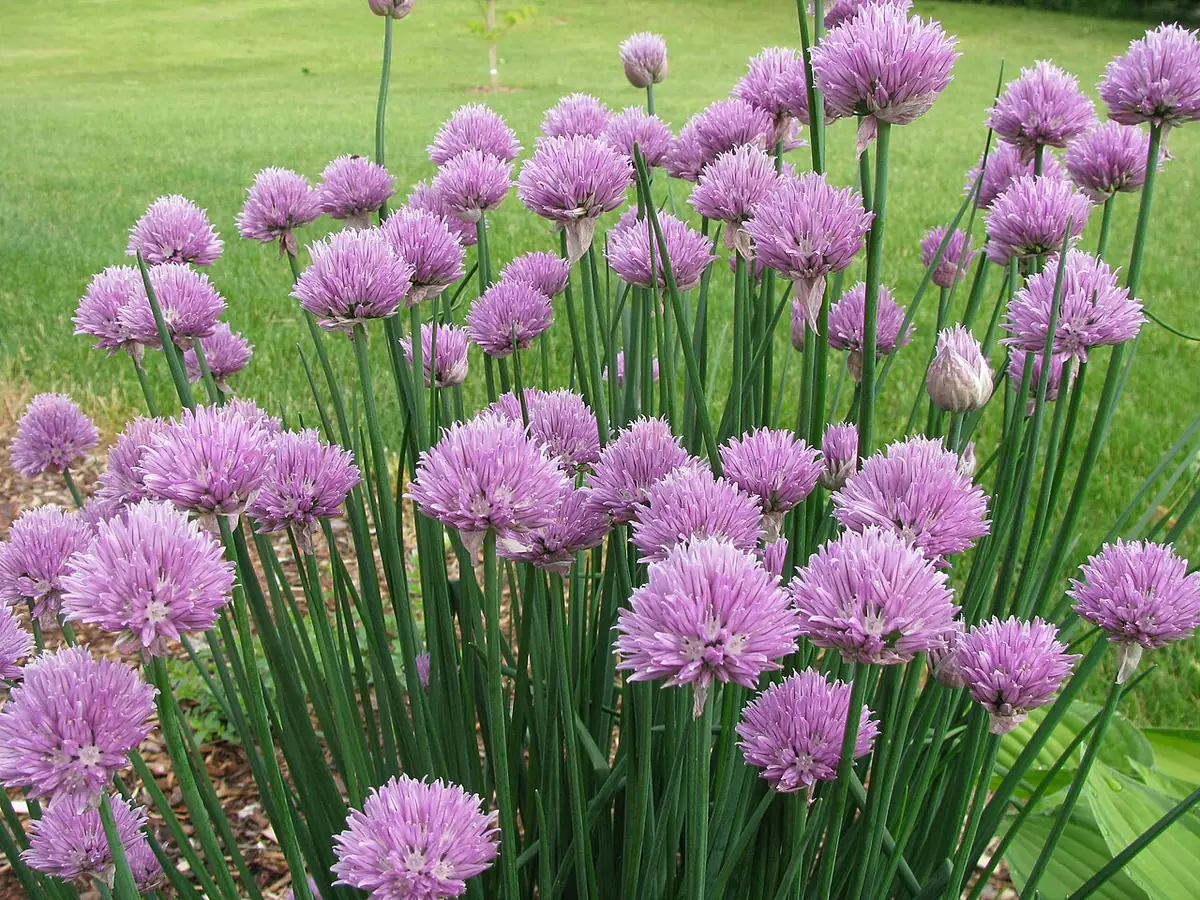
Remember that flowers are normal seasonal growth and can be left for ornamental interest if leaf harvest is not the only priority. This distinction matters when buying replacements or comparing advice from another gardener. Keep your Chives container separate from unknown ornamental plants if leaves may be picked by different family members. Do not infer edibility from a common name, and do not make medicinal use part of the growing plan. The purpose here is a well managed home gardening project with clear plant identification and sensible kitchen hygiene.